The Season That Brings Everyone Back to Los Cabos
Whale migrations, sunny winter afternoons, holiday gatherings, and the return of familiar faces reveal why the most anticipated season in Los Cabos is also one of the most meaningful times to call it home.
By Jhon Anderson
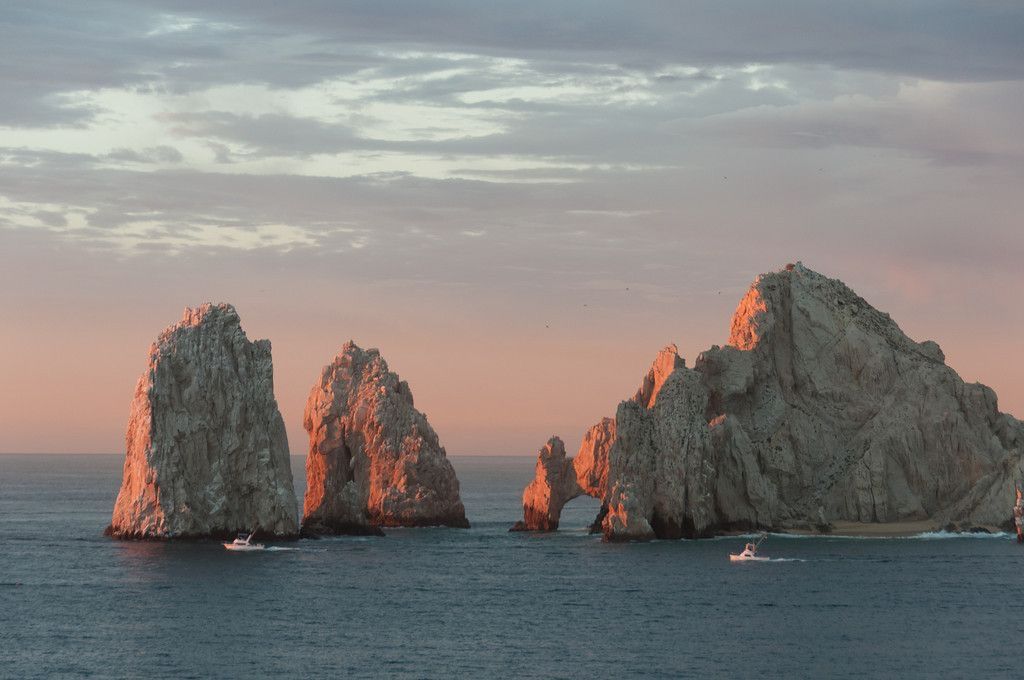
There is a particular moment each year when Los Cabos begins to feel different. The days remain bright, but the mornings are gentler. Restaurants that have always been part of the neighborhood fill with familiar conversations. Friends who spent the summer elsewhere return to their usual tables. On the water, the first signs of another whale migration remind everyone that the calendar here is measured by more than holidays and hotel reservations.
For a visitor, this is the beginning of an exceptionally appealing travel season. For someone who owns a home here, it can feel more like the reopening of a familiar chapter. The house has been waiting. The walking route is unchanged. A favorite café still knows the order. And what once seemed like a temporary escape begins to resemble a second version of everyday life.
The appeal of winter in Los Cabos is not difficult to explain: outdoor afternoons, the Sea of Cortez, family visits, and a remarkable natural spectacle offshore. What deserves closer attention is how those elements work together. The destination becomes more social without losing its relationship with the landscape, and the contrast between an active winter calendar and the quieter routines of home makes seasonal ownership particularly compelling.
That is the story of this season. Not simply why people visit Los Cabos between late fall and spring, but why so many build their year around coming back.
When the Coast Finds Its Winter Rhythm
Los Cabos does not experience winter in the same way as most of the cities from which its seasonal residents arrive. Rather than retreating indoors, people often find themselves spending more of the day outside. The softer light of late afternoon invites a longer walk. Lunch extends onto the terrace. A round of golf, a morning swim, or a quiet hour overlooking the ocean becomes easier to fit into an ordinary week.
That distinction matters because climate is not only a travel consideration. It influences how a home is used. A covered outdoor dining area can become the center of family life. A terrace may function as a second living room. A residence near a walkable neighborhood can support a routine that feels markedly different from one built around long commutes and cold-weather schedules.
There is also a change in the social atmosphere. Seasonal homeowners return, guests arrive for the holidays, and community calendars become fuller. In established neighborhoods, the effect is less about an anonymous increase in visitor numbers and more about the renewal of relationships. People recognize one another at the club, on the beach, and in the places they return to year after year.
It is tempting to describe this simply as high season. That phrase is useful for hospitality and tourism, but incomplete for residential life. A destination can be busy without feeling personal. Los Cabos becomes especially interesting when the same seasonal energy that fills restaurants and marinas also brings neighbors, friends, and extended families back into one another’s lives.
The Return of the Whales Changes the Way We Look at the Sea
Few seasonal events are as closely associated with Los Cabos as the return of humpback whales. These animals migrate from northern feeding grounds toward warmer breeding and calving waters, making the waters around the southern Baja peninsula an important winter destination. Their arrival gives the coastline a different kind of presence. A horizon that is beautiful throughout the year suddenly becomes a place where something extraordinary may happen at any moment.
The Los Cabos Tourism Board describes December through April as the broad whale-watching period, with January through March generally offering the strongest opportunity for humpback encounters. The precise dates for authorized whale-watching activities are established by Mexican environmental authorities and should be checked for the applicable season and area. Wildlife, of course, does not operate according to a booking calendar, and sightings can never be guaranteed.
For travelers, whale watching often means planning a boat excursion. For residents, it can become a recurring part of the season’s atmosphere. Someone walking along the coast may pause to scan the water. A family gathering on a terrace may stop mid-conversation after noticing a distant spout. Even without a sighting, knowing the migration is underway changes the relationship between home and ocean.
This is one of the privileges of living in a coastal environment rather than merely visiting it. A single excursion can be unforgettable, but familiarity gives natural events a different meaning. You learn to notice the conditions, the light, the changing water, and the time of year. The ocean becomes part of a personal calendar.
Whale watching should always respect the animals and the rules governing observation. Responsible operators, appropriate distances, and an understanding that encounters are not staged are part of protecting what makes the experience valuable. The goal is not to get closer at any cost. It is to witness a natural migration without diminishing it.

Why the Holidays Feel Different Here
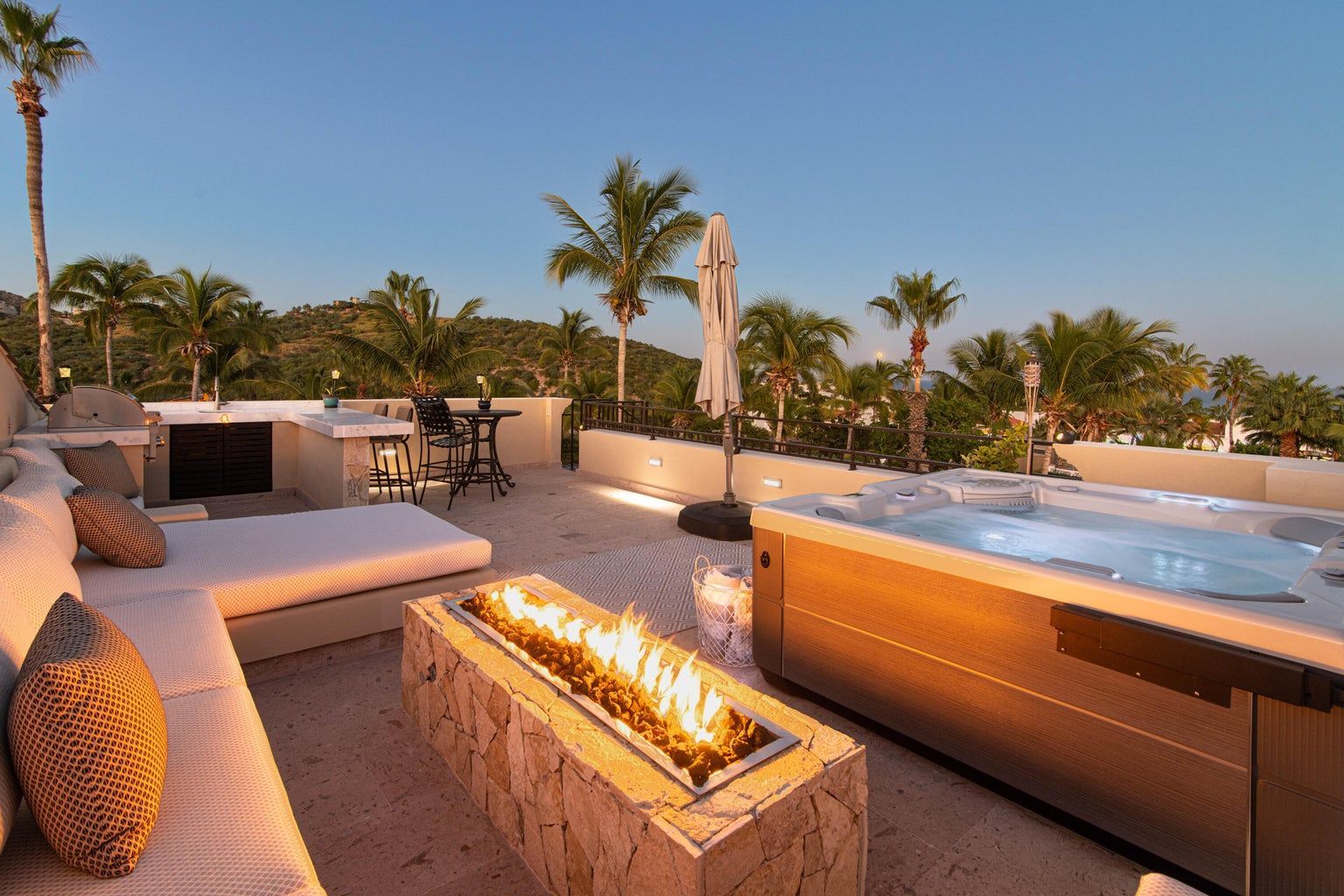
Holiday traditions are often defined by place. In some families, they are associated with snow, fireplaces, and early darkness. In Los Cabos, the same celebrations may unfold around an outdoor table, a beach walk before dinner, or a gathering that moves easily between the kitchen and terrace. The holiday is familiar, but its setting changes the way people experience it.
This is especially meaningful for households that are spread across several cities or countries. A second home can become the one place where different branches of a family reliably meet. Children and grandchildren arrive with their own schedules. Friends visit for a few days. What began as a personal retreat becomes a gathering place with its own traditions.
The quality of that experience depends less on dramatic architecture than on how the residence actually works. Are there comfortable guest rooms? Can everyone share a meal without crowding the living space? Is there privacy for different generations? Can visitors move easily between the home, restaurants, beaches, and activities? A property that photographs beautifully may not be the one that supports a family gathering best.
This is why seasonal buying decisions deserve more attention than a simple bedroom count. The layout of the kitchen, the relationship between interior and exterior spaces, and the availability of practical services often determine whether hosting feels effortless or exhausting. A home that makes people comfortable encourages them to return.
And over time, those returns become part of the property’s value. Not a value that can be read directly from a listing sheet, but one that can be recognized in the number of shared meals, the familiar holiday photographs, and the fact that everyone already knows where they will be next December.
The Difference Between Visiting Los Cabos and Returning Home
A vacation is built around an itinerary. A home is built around repetition. That may sound like a small distinction, but it changes nearly every aspect of how a person experiences a destination. Visitors often try to fit the best of Los Cabos into a few days. Residents have the luxury of leaving an afternoon unplanned.
They may still enjoy the same restaurants, beaches, golf courses, and boat excursions. The difference is that none of those experiences must carry the weight of an entire trip. There is time to return to a favorite place next week. There is room for a quiet day. The pleasure of the destination begins to come from ordinary habits rather than a succession of special occasions.
Seasonal residents occupy an interesting middle ground. They may spend several months elsewhere, yet return to Los Cabos with a strong sense of continuity. Their friendships, routines, and preferred neighborhoods remain connected to this part of the year. The destination is neither a full-time address nor simply a resort stay; it becomes a recurring home.
For buyers considering a second residence, this distinction should shape the search. A property that is ideal for an occasional long weekend may not be equally comfortable for three months of daily living. Storage, reliable internet, access to groceries, maintenance arrangements, guest accommodations, and the ease of leaving the home unattended all become more important with repeated use.
Buying a home in Los Cabos is therefore not only about choosing where to spend time. It is about deciding what kind of life should be waiting when you arrive.

The Communities That Make Seasonal Living Feel Natural
Los Cabos is not one continuous residential experience. Cabo San Lucas, San José del Cabo, the Tourist Corridor, and the communities farther east each offer a different relationship with the coast. Some buyers prefer to be close to marinas, nightlife, and restaurants. Others place more value on quiet streets, golf, beach access, or the ability to walk to everyday conveniences.
Palmilla is a useful example of how an established residential community can support seasonal living. Its setting along the Sea of Cortez, its proximity to San José del Cabo, and its mix of condominiums and private villas give buyers several ways to participate in the same broader neighborhood. A condominium may appeal to someone seeking a manageable home base. A larger villa may be better suited to extended family stays and frequent entertaining.
What matters is not the prestige of a community name in isolation. It is whether the surrounding environment supports the owner’s actual habits. A person who enjoys morning tennis, a nearby coffee shop, and easy access to restaurants may evaluate a property very differently from someone whose priority is privacy, expansive grounds, and a home designed for hosting.
Baja Investments explores that relationship between place and routine in its for a more personal perspective on the neighborhood, see Beyond the Gates: What Living Inside Palmilla Really Feels Like.
The same principle applies beyond Palmilla. A buyer should spend time in the neighborhood at the hours they expect to use it. A quiet afternoon visit does not reveal everything about evening activity, traffic patterns, access, or seasonal changes. The right community is the one that remains appealing after the excitement of the first tour has faded.
What Winter Reveals About Owning a Second Home
Winter is a particularly useful season for evaluating a second home in Los Cabos because it places several ownership priorities in the foreground at once. The weather encourages outdoor living. Family and friends may be visiting. Community amenities are actively used. Restaurants and public spaces have a different level of energy. The buyer can begin to understand not just the property, but the life around it.
Yet winter also shows why a home should not be selected solely for its peak-season appeal. Owners need to understand how the property functions when they are away. Who checks the home? How are repairs handled? What happens if a storm requires attention during the warmer months? Are security, landscaping, pools, and building systems managed reliably throughout the year?
A lock-and-leave condominium may offer a simpler arrangement for some owners, although the quality and scope of management must be verified. A detached residence can provide more autonomy and space, but it may require a more involved maintenance plan. Neither is inherently superior. The correct decision depends on how much time the owner will spend in Los Cabos and how much responsibility they want to carry from elsewhere.
The same care applies to club access and amenities. Buyers should confirm which facilities are included with ownership, which require separate membership, whether memberships are transferable, and what ongoing costs apply. A beautiful amenity photograph is not a substitute for understanding the rules governing its use.
These details may seem less romantic than whale watching or a holiday dinner. In practice, they protect the very experience buyers are seeking. A second home should make returning easier, not introduce a new set of problems every time the owner arrives.

A Season of Connection, Not Just Activity
It is easy to focus on the visible signs of winter in Los Cabos: fuller flights, lively terraces, visiting families, and boats heading out to look for whales. But the more lasting change often happens within the residential community. People resume conversations that began months earlier. Neighbors reconnect. Friends invite one another over for dinner. A familiar social rhythm returns.
This is one reason the emotional appeal of a second home can be difficult to capture in a financial comparison. The residence is not only a physical asset. It can also become a place where relationships have time to develop. Instead of seeing the same friends once during a hurried vacation, owners may share an entire season of ordinary moments.
That sense of connection does not happen automatically. Some buyers thrive in socially active communities with clubs and organized events. Others prefer a quieter setting and a smaller circle. The important thing is to recognize that lifestyle is personal. The ideal property should make it easier to participate in the version of Los Cabos that feels right to its owner.
Even the holiday season takes on a different character through that lens. A dinner invitation becomes part of a familiar tradition. A morning walk may lead to an unplanned conversation. The return of friends is not a special event to schedule; it is part of the rhythm of being there.
The Role of Winter Air Connectivity
The practical side of seasonal living begins before anyone reaches the front door. Los Cabos is an international destination, and access from a buyer’s home city can make the difference between using a property regularly and using it less often than expected. Direct flights, seasonal service, travel time, and the ease of accommodating family visits all deserve attention.
This is particularly relevant for Canadian buyers. Baja Investments has previously examined how air connectivity changes through the year and why the availability of winter routes can matter to ownership patterns. A route that is convenient in January may operate differently in July. Buyers should therefore evaluate their likely travel months rather than assuming that a flight schedule is constant throughout the year.
Read Baja Investments’ analysis, Canada Is Already Connected to Los Cabos — and the New Routes Make Ownership Easier to Imagine.
Air access is not glamorous, but it is fundamental. A residence becomes part of someone’s life through repeated visits. When getting there is straightforward, an extra week in February or an unplanned family gathering becomes easier to imagine. When the journey is difficult, even a remarkable property may remain unused more often than its owner intended.
For that reason, the best second-home search often begins with a calendar. How many weeks or months will you actually spend here? Which holidays matter most? Who will visit? How far in advance do you normally plan? The answers can be more revealing than an initial price range.

Choosing a Home for the Life You Will Actually Live
The strongest real estate decisions begin with a clear understanding of intended use. Someone planning to spend two weeks in Los Cabos each winter may prioritize simplicity and convenience. Someone expecting to stay from December through March may want a home office, additional storage, a more complete kitchen, and space for longer visits from family. A buyer who intends to retire here may need to think even further ahead about access, healthcare, and the ease of daily living.
This is why it helps to distinguish between a property that impresses on a tour and a property that remains comfortable after the third or fourth week. The first is easy to recognize. The second requires imagination, questions, and sometimes several visits to the same neighborhood.
Consider outdoor space. A terrace with an ocean view is compelling, but its usefulness also depends on orientation, shade, wind exposure, privacy, and how it connects to the interior. Consider bedrooms. The number matters, but so does whether guests have enough separation from the main living areas. Consider amenities. Their value depends on whether the owner will actually use them, how they are maintained, and what access costs.
Even the view deserves a practical assessment. A dramatic panorama may define the property, but buyers should also consider the way the view is experienced from everyday spaces: the kitchen, the living room, the primary bedroom, or the outdoor dining table. The most meaningful feature is often the one that becomes part of ordinary life.
At Baja Investments, this is the point where a property search becomes a conversation about priorities. The right residence is not necessarily the largest, the most expensive, or the one with the longest amenity list. It is the one that makes the owner’s preferred version of Los Cabos possible with the least friction.
A Practical Winter Home-Search Checklist
For buyers visiting during the winter season, a useful property tour should answer questions beyond the listing description. The following considerations help connect the appeal of the season with the realities of ownership.
- Actual use: Will this be a holiday home, a three-month winter residence, or a future primary home?
- Arrival and departure: How easy is the journey from your usual home city during the months you expect to travel?
- Everyday convenience: How far are groceries, healthcare, restaurants, beaches, and the activities you use regularly?
- Hosting: Does the layout comfortably accommodate the family and friends you expect to invite?
- Outdoor living: Are the terrace, pool, and dining areas comfortable at the times of day you will use them?
- Ownership management: Who maintains the property while you are away, and what services are included?
- Community access: Which amenities and memberships are attached to the property, optional, or separately priced?
- Operating budget: What are the HOA fees, insurance, utilities, management costs, and maintenance reserves?
- Long-term flexibility: Will the residence still suit your needs if your stays become longer or your family changes?
These questions are not meant to remove the emotion from the purchase. They help make sure the experience that inspired the purchase remains enjoyable after closing. The most persuasive home is one whose practical details support the life imagined during that first winter visit.
What the Winter Season Says About the Los Cabos Real Estate Market
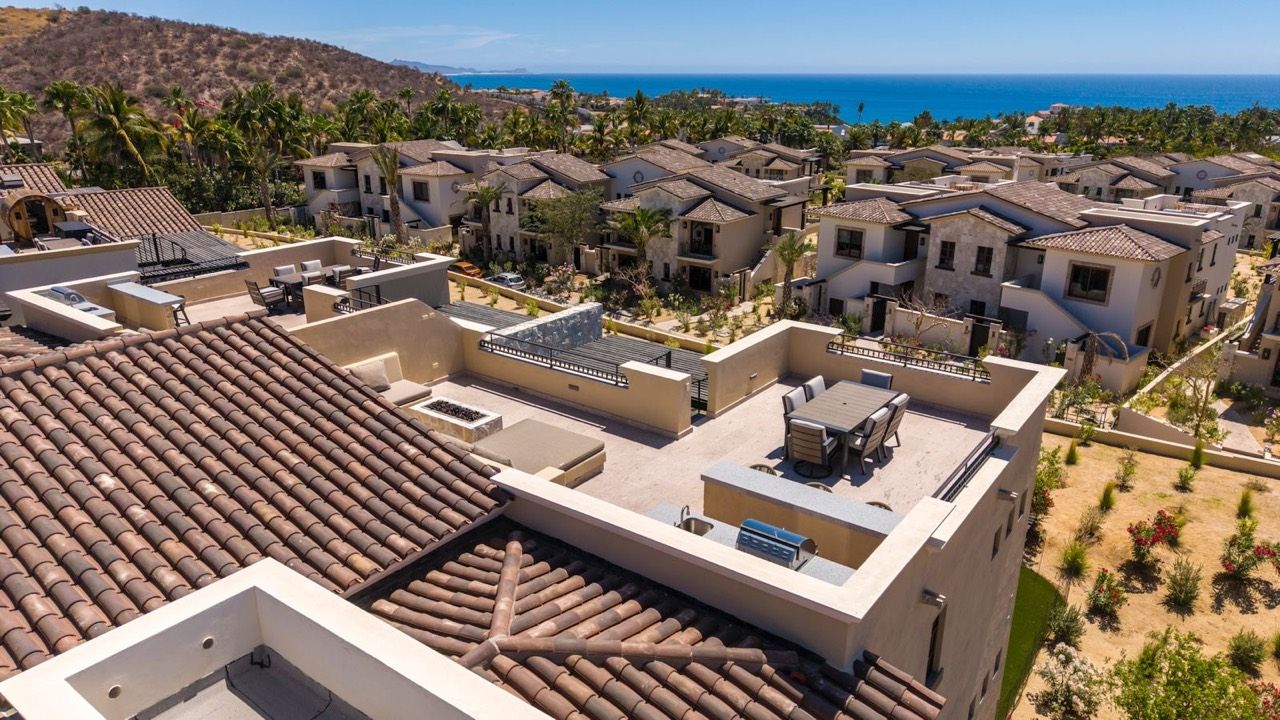
Seasonal energy is an important part of the Los Cabos story, but it should not be confused with proof that every property is a strong investment. An active winter calendar can help buyers understand demand for the destination and the appeal of particular neighborhoods. It does not, by itself, establish resale value, rental returns, or future appreciation.
Those outcomes depend on more specific factors: location, comparable transactions, condition, view protection, community management, carrying costs, property type, and the balance between available inventory and buyer demand. A well-known address can be an advantage, but it should still be evaluated against real alternatives.
The seasonal nature of the destination also has practical implications for rental-minded buyers. A home may attract interest during popular winter periods, but annual performance depends on occupancy across the entire calendar, operating expenses, management fees, and applicable rental rules. Buyers should request realistic projections and verify the assumptions behind them rather than extrapolating a strong holiday week into an entire year.
For an owner primarily interested in personal use, the calculation is different. The return may include family time, convenience, continuity, and the ability to spend meaningful portions of the year in a place they love. Those benefits are real to the owner, even though they cannot be presented as a guaranteed financial yield.
The most credible argument for buying in Los Cabos is therefore not that winter makes every property more valuable. It is that winter reveals the many ways a well-chosen residence can become valuable to the person who owns it.
Why People Keep Coming Back
At first, Los Cabos may be remembered for a particular experience: a beach, a boat ride, a dinner, a round of golf, or the sight of a whale breaking the surface. Over repeated visits, the memories become less isolated. They connect to people, habits, and places that begin to feel familiar.
That is when the destination changes. The arrival is no longer simply the beginning of a vacation. It is a return to a routine the owner has chosen. There is a favorite road to drive, a restaurant worth revisiting, a stretch of coast that looks slightly different every morning. The familiar becomes part of the attraction.
This is also why the winter season has such a distinctive emotional pull. It gathers the different parts of Los Cabos into one recognizable rhythm: wildlife returning offshore, seasonal neighbors arriving from elsewhere, families making plans, and ordinary days opening up to the outdoors.
For someone considering a second home, the question is not whether Los Cabos is beautiful in winter. That is easy to establish. The more useful question is whether you can imagine being here often enough for the place to become yours in a deeper sense.
Final Thoughts
The season that brings everyone back to Los Cabos is about more than the return of winter visitors. It is about a coast finding its familiar rhythm again. Humpback whales return to the surrounding waters. Friends and neighbors reunite. Holiday tables fill. Bright afternoons invite people outdoors, and homes that sat quietly through part of the year become gathering places once more.
For visitors, these months offer a memorable introduction to the destination. For seasonal residents, they offer something more enduring: continuity. A place to return to, relationships to renew, and the possibility of living differently for part of every year.
That is the perspective worth carrying into a property search. The right home is not merely an address in Los Cabos. It is the setting for the life you intend to return to.
Explore the communities and homes represented by Baja Investments at and begin with the question that matters most: what would coming back to Los Cabos look like for you?
Find Your Place in Cabo San Lucas
The Place at Cabo is just one example of how downtown continues to evolve. Discover homes that let you enjoy the marina, restaurants, beaches, and everything Cabo San Lucas has to offer.
Frequently Asked Questions
When is the best time to visit Los Cabos in winter?
Many visitors favor December through March for comfortable outdoor activities, holiday gatherings, and the whale-watching season. The ideal period depends on whether you prioritize family travel, marine wildlife, quieter dates, or a longer residential stay.
When is whale-watching season in Los Cabos?
The broad migration and whale-watching period is generally December through April. Authorized observation dates are established by Mexican authorities for each season and location. January through March is commonly considered a particularly favorable period for humpback encounters.
Can you see whales from a home or beach in Los Cabos?
Sometimes whales are visible from shore or ocean-facing residences, but sightings depend on location, visibility, distance, and animal movement. A sea view does not guarantee sightings.
Why do seasonal residents return to Los Cabos in winter?
Winter offers a combination of outdoor-friendly conditions, marine wildlife, holiday gatherings, social routines, and access to established residential communities. The reasons vary by household, but the season often aligns with the months owners most want to spend here.
Is Los Cabos a good place for a winter second home?
It can be an excellent fit for buyers who value the climate, coastal setting, and seasonal lifestyle. The quality of the decision depends on travel access, property management, ongoing costs, intended use, and choosing the right neighborhood.
What is the difference between a vacation property and a seasonal residence?
A vacation property may be used for short visits, while a seasonal residence is often occupied for several weeks or months each year. Longer stays can make storage, workspace, maintenance, grocery access, and daily convenience more important.
Which Los Cabos neighborhoods suit seasonal homeowners?
Palmilla, San José del Cabo, Cabo San Lucas, and other Corridor communities offer different combinations of privacy, services, dining, beaches, golf, and activity. The best fit depends on the owner’s preferred routine rather than one universal ranking.
Is Palmilla suitable for a second home in Los Cabos?
Palmilla offers established residential settings, proximity to San José del Cabo, and a range of property types. Buyers should compare specific buildings or neighborhoods and confirm amenity access, fees, and ownership arrangements.
Should I buy a condo or villa for seasonal use?
A condo may suit buyers seeking a more manageable lock-and-leave arrangement, depending on building operations. A villa may better support privacy and extended family gatherings but can require more hands-on upkeep. Evaluate actual services and costs.
Are Los Cabos properties easy to maintain while owners are away?
Many owners use property managers, HOA services, or private maintenance teams, but coverage varies considerably. Confirm inspections, security, utilities, insurance, storm preparation, and emergency response before purchasing.
Does winter tourism guarantee rental income?
No. Seasonal demand is only one part of rental performance. Occupancy, nightly rates, competition, fees, taxes, property condition, and rental restrictions all affect net results.
What should buyers inspect during a winter property tour?
Assess outdoor comfort, privacy, neighborhood activity, travel times, hosting capacity, operating costs, HOA rules, and the reliability of management services. Visit at different times of day when possible.
How important are direct flights for seasonal ownership?
They can materially influence how often a home is used, especially for buyers traveling from Canada or the United States. Confirm schedules for the months you expect to visit because routes and frequencies can be seasonal.
Can foreign buyers own residential property in Los Cabos?
Foreign buyers can acquire residential property in the coastal restricted zone through legally permitted structures, commonly a bank trust known as a fideicomiso. Independent legal advice is important for any specific transaction.
How can Baja Investments help choose a winter home?
Baja Investments can help compare communities, property types, everyday convenience, and current inventory against the buyer’s intended seasonal routine. Start with the neighborhood and ownership experience, then narrow the property shortlist.
RELATED POSTS