Bisbee’s in Los Cabos: How a Family Fishing Tournament Became the “Super Bowl of Fishing”
From its early days with the Bisbee family to the East Cape Offshore, Los Cabos Offshore and the Black & Blue in Cabo San Lucas every October, Bisbee’s explains why sportfishing is not just an activity in Los Cabos. It is part of the destination’s identity.
-By Jhon Anderson
Some events belong to a destination because they are large. Others belong because they reveal something older and more permanent about the place. Bisbee’s does both.
Every year, as the fishing calendar moves from the quieter waters and old-Baja rhythm of the East Cape toward the intensity of Cabo San Lucas in October, Los Cabos begins to feel the presence of a sport that helped define the destination long before the language of branded residences, championship golf, beach clubs and luxury real estate became familiar here.
That is why Bisbee’s is worth understanding as more than a tournament. Yes, it is one of the richest and most recognized offshore fishing circuits in the world. Yes, the Black & Blue is often called the “Super Bowl of Fishing.” Yes, the purses can reach numbers that make the event feel closer to a global sporting spectacle than a local tradition. But the deeper story is not only about money or giant marlin. It is about continuity.
Sportfishing is one of the original languages of Cabo San Lucas. Before many visitors knew the destination for resorts, architecture, golf or wellness, they knew it for the water. The marina, the boats, the captains, the crews, the stories of marlin and the seasonal return of anglers all helped give Cabo an international identity.
Bisbee’s concentrated that identity into a tournament culture. What began with Bob Bisbee and a small circle of anglers in the early 1980s has become a family-run legacy that still shapes the way Los Cabos enters its high season. The Black & Blue reached its 45th edition in 2025, and the 2026 season continues the rhythm: East Cape Offshore in late July and early August, Los Cabos Offshore in mid-October and Black & Blue in Cabo San Lucas the following week.
The useful question is not simply what Bisbee’s is. The more interesting question is why this tournament still feels so inseparable from the place that hosts it.
How the Bisbee Story Began
The Bisbee story starts with the kind of idea that looks small only in hindsight. Bob Bisbee, a Southern California tackle-store owner and passionate fisherman, helped create what would become the Black & Blue around a small group of boats and a modest purse. Bisbee’s own remembrance of Bob Bisbee describes the first Black & Blue Marlin Tournament as an event with six teams and a $10,000 purse, while later family interviews often trace the beginning to 1981 and the early formation of the idea. The details vary slightly depending on whether the story is told through the first idea, the first event or the first formal edition, but the shape of the origin is consistent: a small family-and-fishing gathering eventually became one of the defining sportfishing events in the world. Bisbee’s remembrance of Bob Bisbee Destino Los Cabos interview.
That origin matters because it keeps the event from feeling like something imported into Cabo after the destination became successful. Bisbee’s grew with Cabo San Lucas. As the marina developed, international access improved and Los Cabos became more visible to travelers from the United States, Canada and Mexico, the tournament also grew. More boats arrived. More teams entered. The prize money increased. The crowds along the marina became part of the event itself.
The Black & Blue became the signature event, but the family’s tournament calendar expanded. East Cape Offshore brought the Bisbee name into Buena Vista and the more relaxed fishing culture of the East Cape. Los Cabos Offshore became the social, high-energy lead-in to the Black & Blue in Cabo San Lucas. More recently, the Bisbee circuit has also extended beyond Mexico, but the emotional center of the brand remains strongly connected to Baja California Sur.
That connection between family, water and destination is one of the reasons the tournament still feels different from a standard annual event. It is not simply hosted in Los Cabos. It is part of the way Los Cabos tells its own story.
Why People Call Black & Blue the “Super Bowl of Fishing”
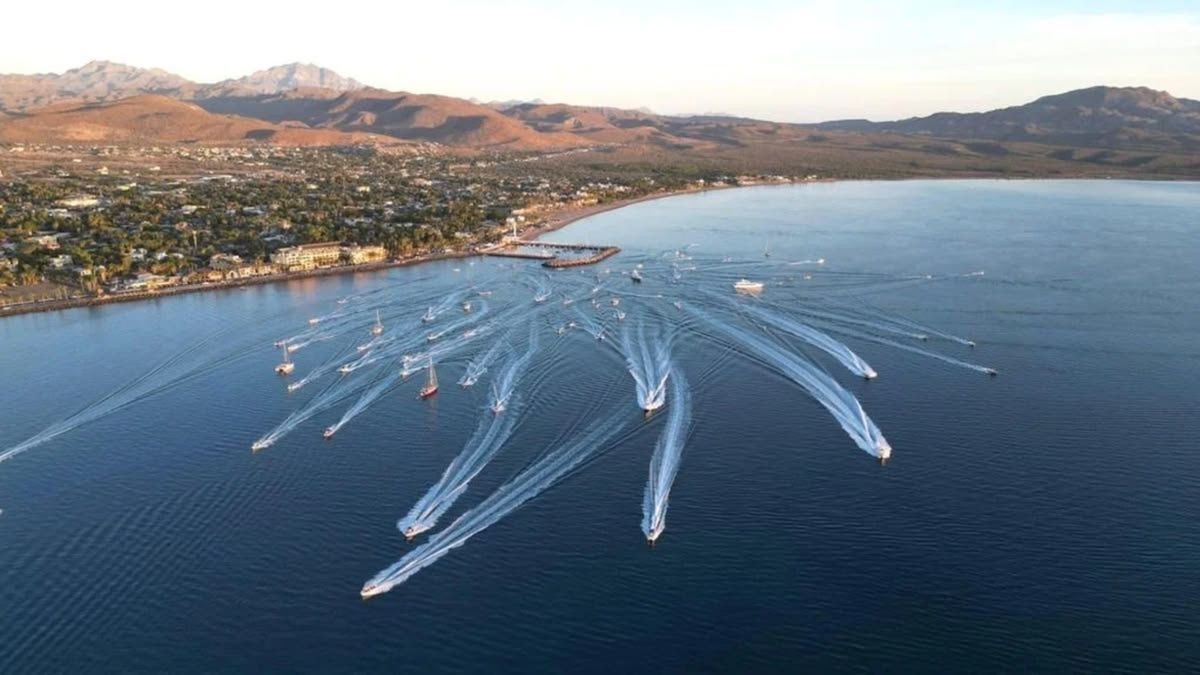
The nickname works because the Black & Blue carries several kinds of scale at once.
It has the spectacle of the marina. It has international teams. It has the drama of large fish and tight rules. It has major prize money. It has spectators who may not know every detail of offshore fishing but still understand the energy of a large catch arriving at the dock.
Bisbee’s official Black & Blue page describes the tournament as the “Super Bowl of Fishing” and as the crown jewel of sportfishing, with elite anglers converging on Cabo San Lucas in pursuit of giant black and blue marlin. It also notes that the prize purse has reached more than $11.5 million in record years. Bisbee’s Black & Blue.
That scale is not abstract. In 2025, the Ayuntamiento de Los Cabos reported that the Black & Blue began with 179 registered boats and a guaranteed purse of $7.4 million. The municipality also described the tournament as one of the most important competitions in the world and noted its role in strengthening tourism, local commerce and the start of the high season. H. XV Ayuntamiento de Los Cabos.
The comparison to football is not literal. The Black & Blue is not trying to become a mass stadium sport. Its power comes from something more specific: the compressed intensity of a few days when the water, the marina, the teams and the entire public atmosphere of Cabo San Lucas seem to revolve around one question.
Will someone bring in the fish that changes everything? That question is what makes the tournament dramatic even for people who are not anglers. A visitor can stand near the weigh station and feel the expectation. Boats return. Crowds gather. People watch the scale, the crew, the officials and the screen. One fish can shift the standings. One team can move from anonymous to unforgettable. One catch can turn into a multi-million-dollar moment.
That is why the Black & Blue feels like a destination event rather than a private competition hidden offshore. The fishing happens at sea. The story returns to the marina.
The Bisbee Circuit: From East Cape to Cabo San Lucas
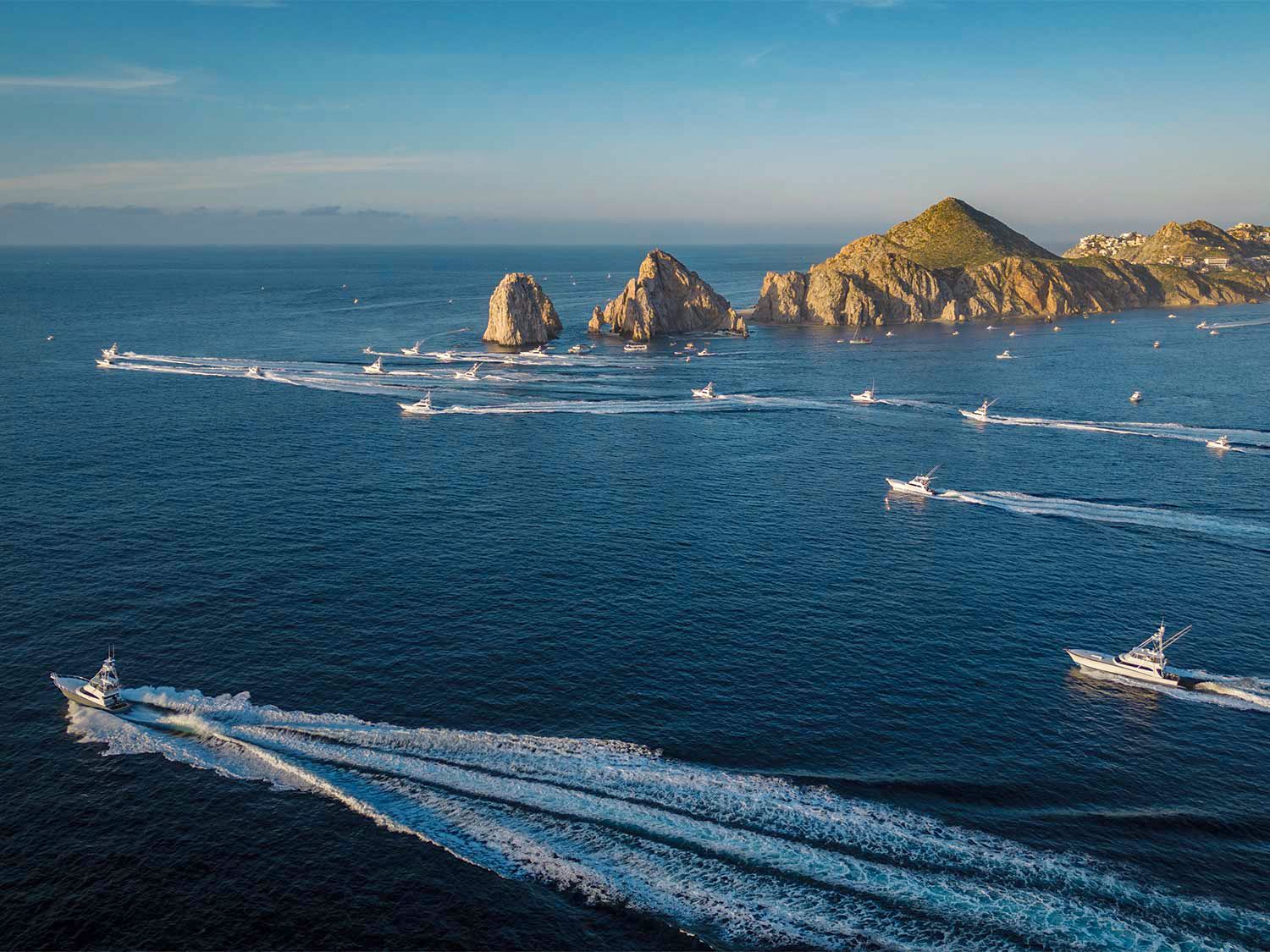
The Bisbee season in Baja is best understood as a progression. It begins away from the most visible tourism center of Los Cabos, in the East Cape. Then it moves into the more social and high-energy setting of Cabo San Lucas with Los Cabos Offshore. Finally, it reaches the Black & Blue, the largest and most iconic tournament in the series.
For 2026, Visit Los Cabos lists three regional dates: East Cape Offshore from July 28 to August 1 in Buena Vista, Los Cabos Offshore from October 12 to 17 in Cabo San Lucas, and Black & Blue from October 19 to 24 in Cabo San Lucas. The official Bisbee’s tournament page also lists Los Cabos Offshore and Black & Blue as the two October Cabo San Lucas events, with Black & Blue carrying the larger base entry and all-in category.
Visit Los Cabos Bisbee’s 2026
Bisbee’s tournament calendar.
East Cape Offshore: The Old Baja Chapter
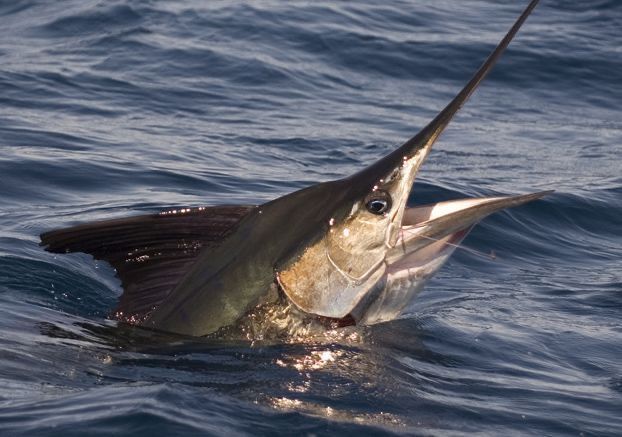
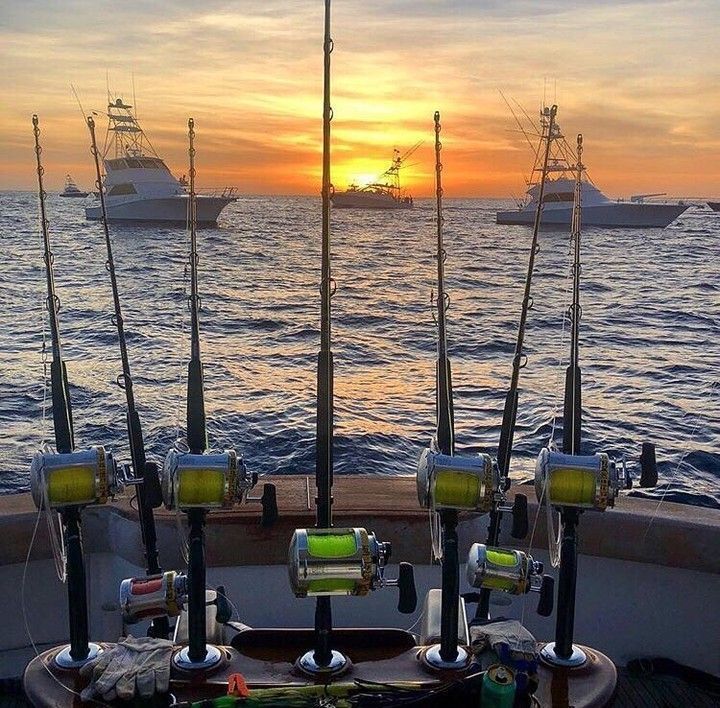
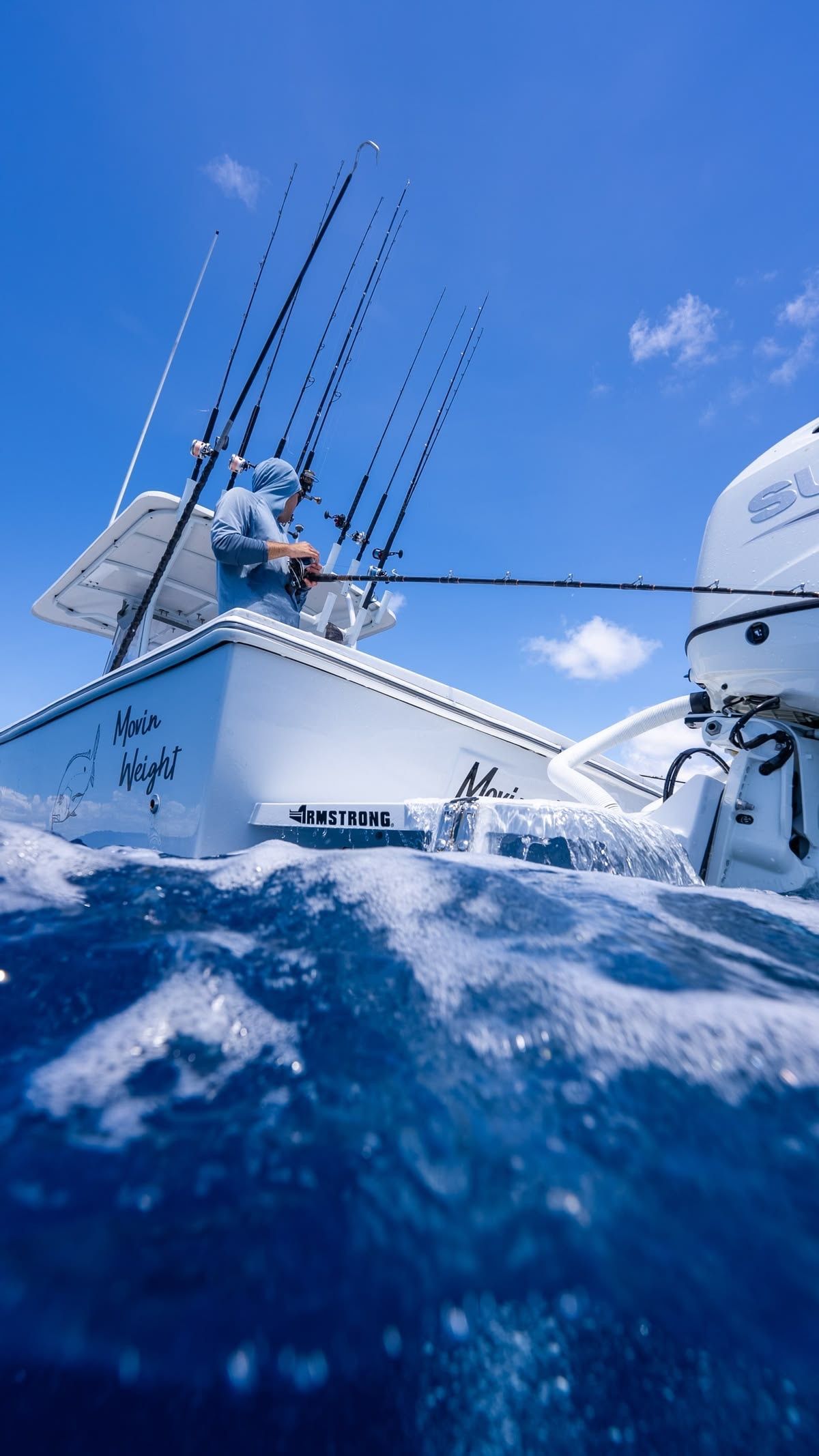
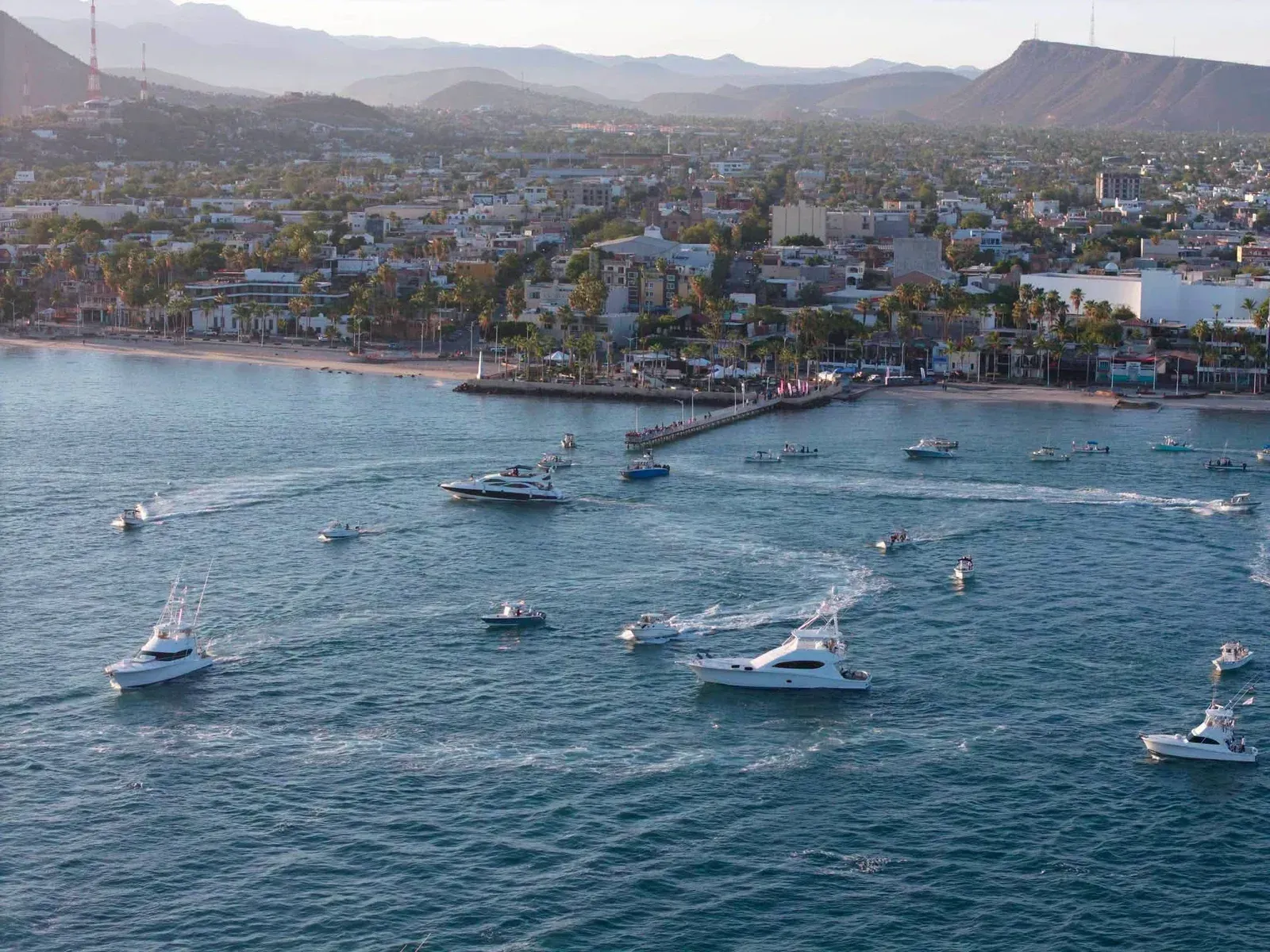
East Cape Offshore is often described through atmosphere before scale. Bisbee’s official page positions the tournament in Buena Vista as a return to old Baja, with world-class sportfishing meeting the charm of a more relaxed fishing town. The event targets marlin, yellowfin tuna and dorado, with a prize purse that Bisbee’s says regularly exceeds $1.6 million. Bisbee’s East Cape Offshore.
That mixture is important. East Cape Offshore is not casual simply because it feels more relaxed. The competition is real. The purse is serious. The boats, crews and strategies matter. What changes is the setting around the tournament.
The East Cape has a different rhythm from Cabo San Lucas. The scale of the marina, the density of the crowds and the nightlife energy of downtown Cabo are not the point. Buena Vista and the surrounding East Cape fishing culture create a more grounded, less theatrical version of the Bisbee experience. It is easier to see the boats, teams and families as part of the same community rather than as performers in a larger spectacle.
Destino Los Cabos captured this distinction in an interview with Jordyn Bisbee, who described the East Cape event as more relaxed and more nostalgic, with many teams staying around Buena Vista Beach Resort and with the tournament season beginning there before the October Cabo events. Destino Los Cabos.
The official East Cape schedule shows how the tournament operates: registration and the captains’ meeting at Buena Vista Beach Resort, three fishing days from Wednesday through Friday, a 6:30 a.m. shotgun start, fishing until 4:00 p.m., an afternoon and evening weigh station on the beach and an awards celebration on Saturday. East Cape Offshore schedule.
That format gives the East Cape event its identity. It is competitive enough to matter globally and intimate enough to feel connected to Baja’s older fishing culture.
Los Cabos Offshore: The Social Warm-Up
Los Cabos Offshore is sometimes called “Little Bisbee’s,” but the nickname can be misleading.
It may be smaller than Black & Blue, but it is not small.
Bisbee’s official tournament calendar describes Los Cabos Offshore as the social warm-up to the Black & Blue in Cabo San Lucas, with a purse listed at more than $2.7 million and an all-in entry category of $36,000 for 2026. Bisbee’s tournament calendar.
The event sits in an important position. It brings teams, visitors and energy into Cabo San Lucas before the Black & Blue begins. It allows the marina to enter the Bisbee rhythm gradually rather than only through one final week. It also creates a bridge between serious fishing and social atmosphere.
The official Los Cabos Offshore schedule for 2026 lists the awards ceremony at La Antojería Cabo in The Place at Cabo, located on the marina promenade between docks H and I. Los Cabos Offshore schedule. That detail says something about the way the event interacts with the destination.
Bisbee’s is not contained only on the boats. It moves through the marina, restaurants, hotels, bars, teams, visitors, vendors, captains and spectators. The tournament’s economic and cultural impact is partly created by that movement.
For a destination like Cabo San Lucas, this matters. A fishing tournament becomes a social season when it activates the places around the sport.

Black & Blue: October at the Cabo San Lucas Marina
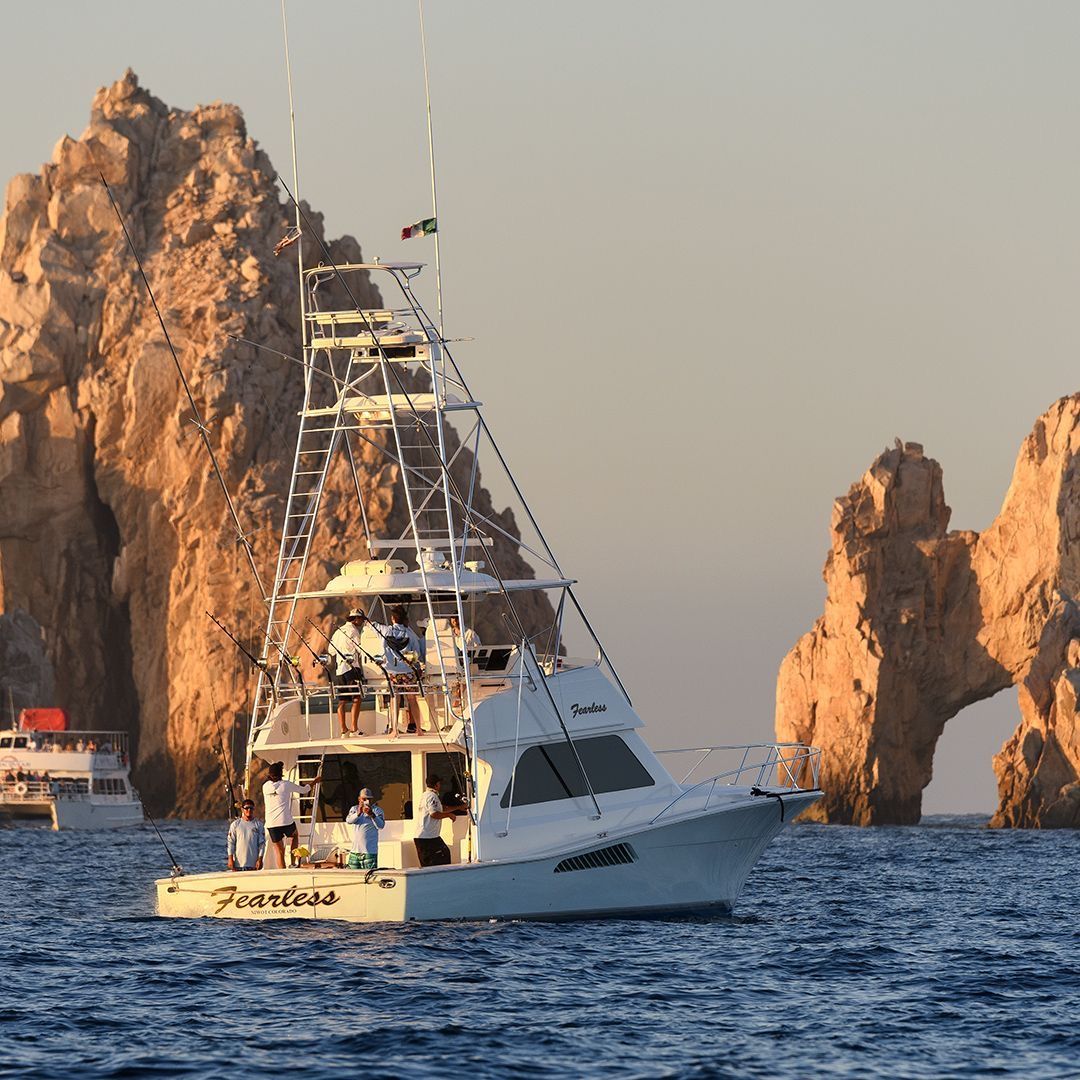
Black & Blue is the emotional peak of the Bisbee season in Cabo. It is focused on giant black and blue marlin. It is held in Cabo San Lucas every October. It carries the largest reputation, highest drama and strongest public visibility of the circuit.
For 2026, Bisbee’s lists the Black & Blue from October 19 to 24, with fishing days set inside the week and the awards celebration scheduled at The Place at Cabo in front of the H, I and J docks. Black & Blue schedule.
The public experience matters almost as much as the offshore competition. Visitors who never enter the tournament can still feel the event. They can walk the marina, see the boats, watch the teams return and gather near the weigh station. The marina becomes an arena without becoming a stadium.
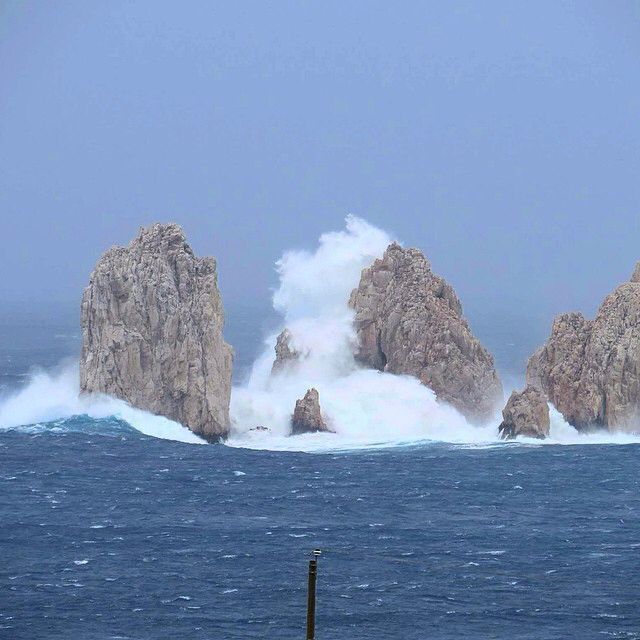
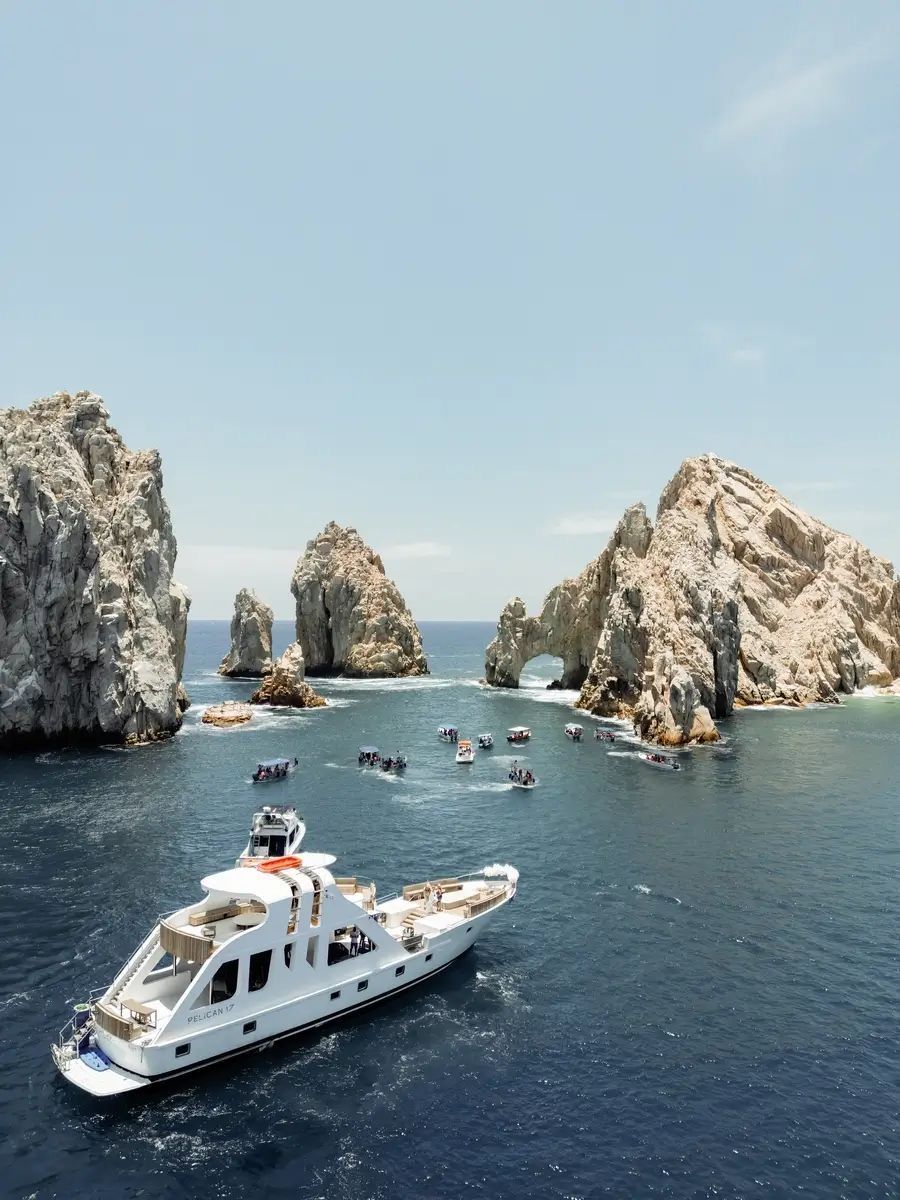
That is one of the reasons Black & Blue has become so closely associated with Cabo San Lucas. The tournament uses the city’s natural geography as its stage. Land’s End, the Arch, the marina, the fishing grounds and the pedestrian flow of downtown Cabo all support the spectacle. The event does not need to invent an atmosphere from nothing. It concentrates an atmosphere the destination already has.
The rules also add to the intensity. For the 2026 Black & Blue, the official rules list a 7:00 a.m. shotgun start, fishing hours from 7:00 a.m. to 5:00 p.m., catch reporting to tournament control and defined tournament boundaries. The rules also require teams to know and follow the official regulations, which are subject to change before the start of the tournament. Black & Blue rules.
The result is a competition that feels both free and tightly controlled. Boats run into open water, but the tournament is governed by time, radio control, boundaries, eligible species, minimum weights, release verification, weigh-in procedures and protests. The drama depends on the ocean, but the legitimacy depends on structure.
That is part of why the Black & Blue has lasted. Big money alone can create attention. Rules, tradition and public trust are what allow a tournament to become an institution.
How the Tournament Actually Works
For someone watching from the outside, Bisbee’s can look simple: boats go out, fish return, and the largest marlin wins.
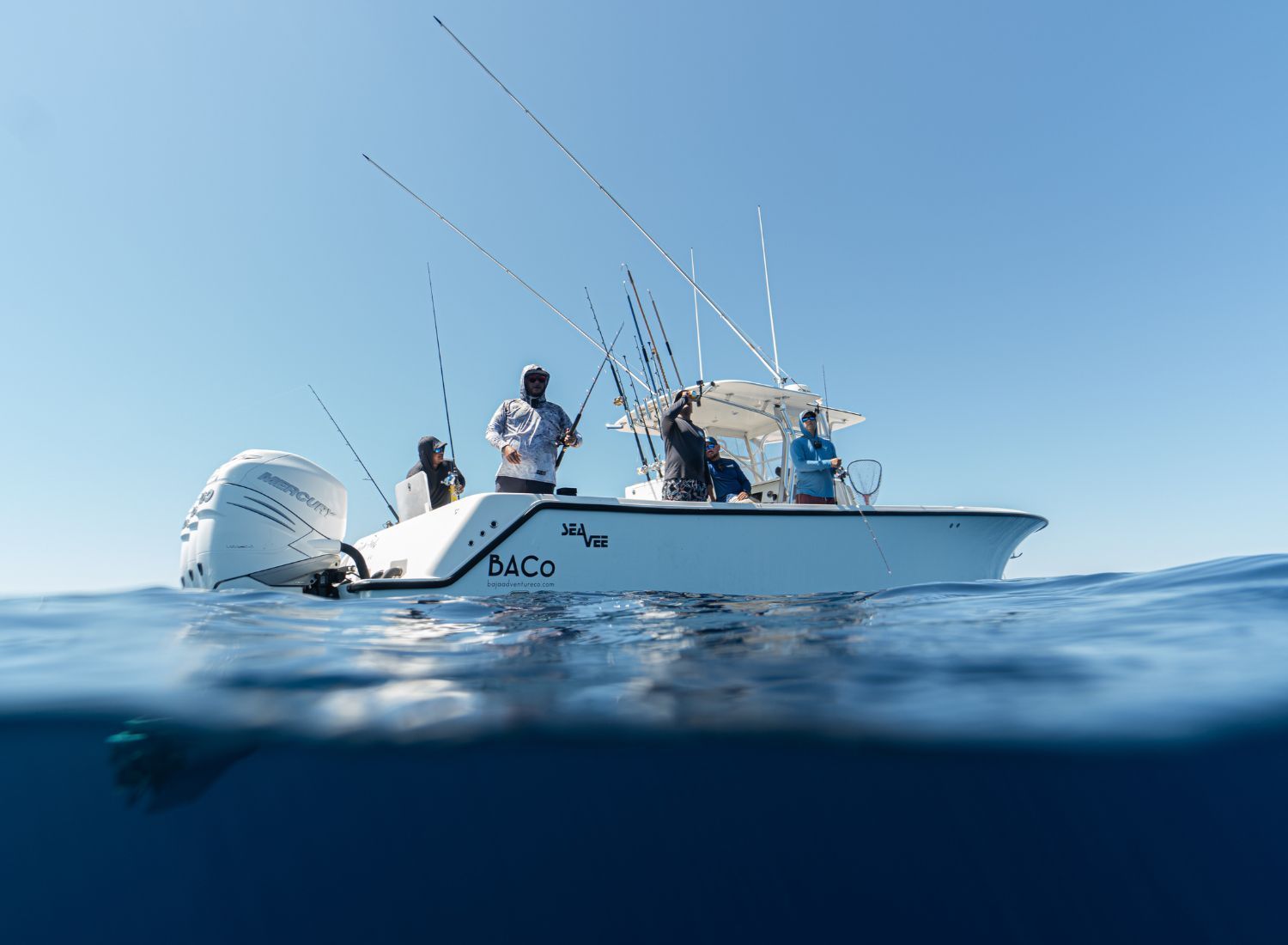
The reality is more disciplined. Teams register before the event. At least one team member must attend the captains’ or anglers’ meeting, where official instructions are given. Boats must be behind the start line before the shotgun start. Fishing takes place only during official hours, although a fish hooked before lines-out may continue to be fought until it is boated, released or lost. Black & Blue rules.
Eligible species and formats vary by tournament. East Cape Offshore includes black and blue marlin, release billfish categories and gamefish such as dorado and tuna. The Black & Blue focuses its primary identity on giant black and blue marlin, with optional release categories also part of the structure. East Cape Offshore rules Black & Blue categories.
Minimum weights are important because they change the relationship between competition and conservation. The East Cape rules list a 300-pound minimum weight for black or blue marlin, with striped marlin, sailfish and spearfish eligible only for catch and release. The Black & Blue rules also contain scoring and verification procedures for releases, including video evidence requirements. East Cape Offshore rules Black & Blue rules.
Weigh stations are where the private effort becomes a public moment. At East Cape Offshore, the weigh station opens on the beach in front of Buena Vista Beach Resort. In Cabo San Lucas, the weigh-in atmosphere around the marina is part of the spectacle. Spectators gather not only to see a fish, but to watch the story change in real time.
The optional daily jackpots, often called “pollas,” are another part of the structure. Bisbee’s rules explain that teams can choose whether to enter different jackpot levels, and the prize money can roll depending on whether a qualifying fish is caught in a given category. Black & Blue categories.
This is why the tournament can feel so volatile. The leaderboard is not only about participation. It is about timing, category choice, qualifying weight, official reporting, verified catches and the exact day a fish is landed.
For serious anglers, those details are the game. For spectators, they are what make the final hours feel alive.
What Bisbee’s Means for Visitors
For visitors, Bisbee’s turns Cabo into something different for a few weeks. The destination is still beaches, restaurants, boat tours, golf, spas and nightlife. But during tournament season, the marina carries a different kind of anticipation. Boats are not simply part of the scenery. They are part of the story everyone is watching.
That creates several ways to experience the event. Some visitors come specifically to fish or support a team. Others plan a trip around the weigh-ins, parties and marina energy. Many discover the event accidentally while walking downtown Cabo and realize something larger than an ordinary fishing day is happening.
The Black & Blue is especially accessible to spectators because the public drama returns to the marina. A person does not need to understand every rule to understand the emotional architecture of the event: a boat arrives, a fish is weighed, the crowd reacts and the standings change.
This is part of what makes sportfishing different from many other luxury experiences in Los Cabos. It is aspirational, but not invisible. The boats may be expensive. The competition may be elite. The entry categories may be serious. But the public energy of the weigh station allows people outside the tournament to participate in the atmosphere.
For Baja Investments, that matters because lifestyle in Los Cabos is not only defined by private amenities. It is also defined by public rituals. A person considering a home in Cabo San Lucas, the Tourist Corridor, Palmilla, Puerto Los Cabos or the East Cape is not only choosing a view or floor plan. They are choosing proximity to a seasonal rhythm. Bisbee’s is one of the clearest examples of that rhythm.
What Bisbee’s Means for Residents and Homeowners
For residents, Bisbee’s is both an event and a marker on the calendar. It signals the shift into the more active months of the year. It brings visitors, teams, charter activity, restaurant demand, marina traffic and social energy. It reminds people that Los Cabos is not a static resort destination but a place with seasons, traditions and returning communities.
That is different from a one-time festival. Bisbee’s returns with memory. Families remember past catches. Crews remember years when the water was difficult. Restaurants remember the tournament weeks. Locals remember when Cabo was smaller and fishing was even more central to the town’s identity. New residents begin to understand that some of the destination’s most important rituals were not created yesterday.
For homeowners, the relevance depends on location and lifestyle. A Cabo San Lucas owner may experience tournament season through marina traffic, visiting friends, dock activity, restaurants and nightlife. A Tourist Corridor owner may treat it as an event to attend selectively. An East Cape owner may feel the more relaxed version during East Cape Offshore. A San José del Cabo resident may connect through guests, charter plans or the broader tourism season rather than through daily marina life.
No single relationship is better. The point is that Bisbee’s helps explain the differences between areas. Cabo San Lucas is more directly connected to the spectacle. The East Cape is more connected to the fishing-town intimacy. San José del Cabo may feel slightly removed from the noise but still connected to the destination-wide significance. The Tourist Corridor sits between those experiences, allowing owners to access the event without living inside its full energy.
That is why event intelligence can be useful in real estate. It helps buyers understand not only where a home is located, but what kind of seasonal life surrounds it. For readers considering a broader move or purchase, this pairs naturally with Baja Investments’ guide to
buying property in Los Cabos as a foreigner and with its area-based perspective on the
top places to live in San José del Cabo.
Why Sportfishing Still Matters in Los Cabos
It would be easy to assume that golf, hospitality, design and private residential communities have replaced fishing as the central luxury language of Los Cabos.
They have not. They have expanded the destination, but they have not erased its origins. Sportfishing still matters because it connects several parts of Los Cabos at once: ocean, skill, risk, patience, boats, marina culture, international visitors, local crews, restaurants, hotels, spectators and family traditions. It is one of the few activities that can feel deeply local and globally visible at the same time.
That is exactly what Bisbee’s represents. The tournament draws elite teams and large purses, but it also depends on local infrastructure: captains, dock workers, suppliers, hospitality teams, municipal coordination, restaurants, hotels, transportation, media and spectators. When the Ayuntamiento describes the tournament’s impact on local commerce and hotel sectors, it is recognizing that sportfishing operates as part of the destination economy, not apart from it. H. XV Ayuntamiento de Los Cabos.
Fishing also gives Cabo a competitive identity that cannot be copied easily. A resort can be built in many places. A beautiful home can be designed in many coastal markets. A private club can be created almost anywhere with enough land and capital.
But the combination of Cabo’s waters, marina, fishing history, public spectacle and tournament tradition is more specific.
That specificity is valuable. It gives the destination a story that is not only about luxury consumption, but about participation in a place with memory.
How to Experience Bisbee’s Without Competing
Not everyone needs to enter a tournament to understand Bisbee’s. For many visitors and residents, the best experience is to follow the public rhythm.
During the October tournaments in Cabo San Lucas, the marina becomes the natural place to start. The official schedule should be checked before making plans, because registration, fishing days, weigh station hours and awards ceremonies change by event and year. For 2026, the official Bisbee schedule places Los Cabos Offshore from October 12 to 17 and Black & Blue from October 19 to 24. Bisbee’s tournament calendar.
A first-time spectator should focus less on trying to understand every category and more on the visible parts of the event. Watch the boats. Follow official live scoring. Walk the marina in the afternoon. Ask where the weigh station is. Arrive early if a large crowd is expected. Remember that the energy rises when a qualifying fish is on the way in, and that the most dramatic moments are not perfectly scheduled.
The awards ceremonies are also part of the social dimension. In 2026, both the Los Cabos Offshore and Black & Blue schedules identify awards celebrations at The Place at Cabo, reinforcing the way the tournament now connects with the evolving marina-front experience. Los Cabos Offshore schedule Black & Blue schedule.
For families, the tournament can be an exciting but crowded experience. The marina may be busy, parking can be more complicated and restaurants may fill quickly. A thoughtful plan matters. For homeowners hosting guests, Bisbee’s week can be an excellent moment to show the destination’s personality. It gives visitors something to talk about beyond the beach.
For buyers, it can also be a useful test. If the energy of the Cabo San Lucas marina during Bisbee’s feels exciting, central Cabo or the Tourist Corridor may feel more attractive. If it feels like too much, a quieter San José del Cabo, Palmilla or East Cape routine may be a better fit. The event helps clarify lifestyle.
Final Thoughts: A Tournament That Explains the Destination
Bisbee’s has lasted because it is more than a purse. The money matters, but the money alone does not explain the loyalty. It does not explain the families that return, the teams that build a season around it, the spectators who gather at the marina or the way Cabo San Lucas seems to absorb the tournament into its own identity every October.
The deeper reason is that Bisbee’s belongs to the older story of Los Cabos. It comes from the water. It comes from the marina. It comes from the captains, crews, anglers, families and local businesses that made sportfishing part of the destination before Cabo was known for so many other forms of luxury.
The East Cape Offshore preserves a more relaxed version of that heritage. Los Cabos Offshore turns the energy toward Cabo San Lucas. Black & Blue brings the spectacle to its highest point.
Together, they show why sportfishing still matters. A destination becomes stronger when it knows what made people come in the first place. Los Cabos has changed dramatically over the past four decades, but the water remains one of its original promises. Bisbee’s is what happens when that promise becomes tradition.
Let's Find the Right Community for You
Whether you're looking for an established neighborhood, a club-centered lifestyle, or a resort experience, we'll help you narrow down the options before you start touring homes.
Frequently Asked Questions About Bisbee’s in Los Cabos
What is Bisbee’s Black & Blue?
Bisbee’s Black & Blue is a high-stakes marlin tournament held every October in Cabo San Lucas. It focuses on black and blue marlin and is widely known as one of the richest and most recognized sportfishing tournaments in the world. Bisbee’s official site describes it as the “Super Bowl of Fishing.”
Why is Bisbee’s called the “Super Bowl of Fishing”?
The nickname reflects the tournament’s scale, prize money, international teams, spectator energy and public drama around the Cabo San Lucas marina. It is not a stadium event, but during Black & Blue week the marina becomes the center of one of the most visible sportfishing competitions in the world.
When did Bisbee’s begin?
The Bisbee story is generally traced to the early 1980s and to Bob Bisbee’s original Black & Blue tournament concept. Bisbee’s own remembrance describes the first Black & Blue Marlin Tournament as having six teams and a $10,000 purse, while later family interviews often refer to 1981 as the beginning of the idea.
Who started Bisbee’s?
Bob Bisbee is the central founder associated with the Black & Blue tournament. Over time, the tournament became a family enterprise, with later generations helping continue and expand the Bisbee’s tournament circuit.
What are the main Bisbee’s tournaments in Baja California Sur?
The main regional Bisbee’s events are East Cape Offshore in Buena Vista, Los Cabos Offshore in Cabo San Lucas and Black & Blue in Cabo San Lucas. Los Cabos Offshore is commonly treated as the lead-in to Black & Blue, while East Cape Offshore has a more relaxed East Cape atmosphere.
When is Bisbee’s Black & Blue held?
Bisbee’s Black & Blue is held every October in Cabo San Lucas. For 2026, the official schedule lists the event from October 19 to 24. Tournament dates should always be verified with Bisbee’s before making travel plans.
Where is East Cape Offshore held?
East Cape Offshore is held in Buena Vista on the East Cape of Baja California Sur. The official 2026 schedule places registration, the captains’ meeting and weigh station activity around Buena Vista Beach Resort.
What fish are targeted in Bisbee’s tournaments?
The Black & Blue focuses primarily on black and blue marlin. East Cape Offshore and Los Cabos Offshore include billfish competition and gamefish categories such as tuna and dorado, depending on the specific tournament rules and divisions.
Can spectators watch Bisbee’s?
Yes. Spectators can experience the Cabo San Lucas tournaments from the marina, especially around the weigh-in atmosphere. The most exciting public moments often happen when boats return with a qualifying fish and the crowd gathers to watch the standings change.
How does the weigh-in work?
Teams must follow official reporting, eligible-species, minimum-weight, boundary and time rules. Fish intended for weigh-in must be presented according to the tournament’s official procedures. Release categories require documentation and verification, including video requirements under current rules.
Why does Bisbee’s matter to Los Cabos tourism?
Bisbee’s brings international teams, spectators, media attention, hotel demand, restaurant activity and marina energy into the destination. Local authorities have described the Black & Blue as important to tourism, local commerce and the beginning of high season.
Does Bisbee’s matter for real estate buyers?
It can. Bisbee’s helps buyers understand the seasonal rhythm and personality of different areas. Cabo San Lucas feels closest to the tournament spectacle, the East Cape connects with a more relaxed fishing culture and San José del Cabo offers a different residential rhythm while still belonging to the wider destination.
Is Bisbee’s only for serious anglers?
No. Serious anglers compete, but visitors and residents can enjoy the public side of the tournament through marina walks, weigh-ins, official scoring updates, restaurants, events and the general atmosphere around Cabo San Lucas during tournament week.
What should first-time visitors know before attending?
Check the official schedule, expect crowds around the marina, make restaurant plans early and remember that the most dramatic moments depend on whether a qualifying fish is brought in. The event is exciting because it is live and unpredictable.
RELATED POSTS