Is Buying Pre-Construction in Los Cabos Worth It? Pros, Risks, and What Buyers Should Know
Buying pre-construction in Los Cabos can offer access to newer design, early pricing and flexible payment structures, but the real value depends on the developer, contract, delivery timeline, construction progress, location and how the property fits the way you actually plan to use it.
-By Jhon Anderson
Pre-construction is one of the most attractive ideas in Los Cabos real estate. It is easy to understand why. A buyer can see a new building before it is finished, choose from better floor plans, enter before final pricing, spread payments over time and imagine owning something new rather than inheriting another owner's finishes, furniture or maintenance history.
That appeal is real. But pre-construction is not simply a discount. It is a trade-off. A buyer gives up some certainty today in exchange for potential value tomorrow: newer inventory, design selection, staged payments and the possibility that the property will be worth more once the project is finished. The question is not whether pre-construction is good or bad. The better question is whether a specific project gives the buyer enough reason to accept the execution risk.
In Los Cabos, that question matters because the market is full of very different products. A condo in a project already under construction is not the same as a villa in an early-phase private community. A developer with a delivered portfolio is not the same as a first-time developer with a strong rendering. A project with permits, infrastructure and financing is not the same as a concept still depending on sales momentum.
Pre-construction can be an excellent strategy. It can also be the wrong fit for a buyer who needs certainty, immediate use or a finished rental product. The difference is due diligence.
What Does Pre-Construction Mean in Los Cabos?
Pre-construction usually means buying a property before it is complete. Depending on the project, that may mean buying from architectural plans, during early construction, during vertical construction or near final delivery.
Those stages are not the same. A property purchased from a rendering carries more uncertainty than a unit in a building with visible progress. A project that is 70 percent complete is different from one that is still waiting for permits, infrastructure or sufficient pre-sales. A residence inside an established master-planned community carries a different risk profile from a stand-alone development in an emerging area.
The word itself can therefore be misleading. A buyer should ask where the property sits on the construction timeline:
- Concept or early sales;
- Permits and site preparation;
- Infrastructure and foundations;
- Vertical construction;
- Finishes and inspections;
- Delivery and closing;
- Title transfer and full operation.
That sequence matters because each stage answers a different question. Early sales answer whether demand exists. Permits answer whether the project is authorized to move forward. Construction progress answers whether execution is happening. Delivery answers whether the buyer can actually use the property. Closing answers whether ownership can be properly completed.
Pre-construction should not be evaluated only by the sales brochure. It should be evaluated by where the project truly stands.

Why Buyers Consider Pre-Construction
Most buyers are drawn to pre-construction for one of five reasons. The first is pricing. Early buyers often expect to enter before final pricing is reached. In a well-executed project, prices may rise as construction advances, inventory tightens and the finished product becomes easier for later buyers to understand.
The second is selection. Early buyers may have access to better views, preferred floor plans, larger terraces, corner units, lock-off configurations, parking options or finishes.
The third is design. New construction usually reflects the way current buyers want to live: indoor-outdoor layouts, larger terraces, modern kitchens, storage, elevators, wellness amenities, service areas, smart-home infrastructure and community spaces designed around contemporary use.
The fourth is payment timing. Instead of paying the full purchase price at closing, buyers may be able to make a deposit and staged payments over the construction period, then pay the balance closer to delivery.
The fifth is lifestyle positioning. Some buyers want to be part of a new community from the beginning. They want to choose the residence, watch the project develop and participate in the first chapter of the community's identity.
Those are valid reasons. But none of them is enough on its own. A lower entry price only matters if the project delivers. A better floor plan only matters if the construction quality matches the promise. Flexible payments only matter if the buyer understands when money is due and what happens if the developer is delayed. A new community only matters if the amenities, HOA, management and infrastructure actually operate when the buyer expects to use the property.
The advantage of pre-construction is not the brochure. The advantage is the combination of value, timing and fit.

The Main Advantages of Buying Pre-Construction
1. Better choice of inventory
One of the strongest advantages of pre-construction is selection. In a finished project, the best-positioned units may already be sold. In pre-construction, early buyers often have more access to ocean-view units, preferred building orientations, larger terraces, higher floors, better parking, lock-off options or residences closer to amenities.
This can be especially important in Los Cabos because small differences in orientation, elevation and building position can materially affect the experience of the property. A buyer may not be choosing simply between Unit A and Unit B. They may be choosing between morning sun and afternoon heat, a true Sea of Cortez view and a partial corridor view, privacy and proximity to the pool, a quieter building and a more social one.
2. Newer design and lower initial maintenance
New construction often offers a cleaner ownership experience in the early years. Systems are new. Finishes are current. The layout is usually more aligned with modern living. A buyer may avoid the immediate renovation decisions that often come with older resale properties.
This is not a guarantee that nothing will require adjustment after delivery. New buildings can still have punch-list items, warranty claims and early operational issues.
But compared with an older property that may need updated air conditioning, appliances, waterproofing, windows, furniture or terrace repairs, new construction can feel easier at the beginning.
3. Staged payment plans
Many pre-construction purchases use staged payment plans.
The exact structure varies, but buyers may pay a reservation deposit, a larger initial payment, one or more construction progress payments and the balance at delivery or closing. This can help some buyers manage liquidity more comfortably than an immediate full-price purchase.
The schedule must be read carefully.
A payment plan that looks flexible may still be heavily front-loaded. A buyer may be required to contribute a large portion of the price before delivery. If payments are due by calendar date rather than verified construction milestones, the buyer may carry more timing risk than they realize. The payment plan is not just a convenience. It is a risk-allocation document.
4. Potential price appreciation before delivery
This is the advantage many buyers focus on first. If a project sells well, construction advances and later phases or remaining inventory are priced higher, an early buyer may benefit from entering at an earlier price. In some cases, that can create a meaningful spread between early purchase price and completed-product market value.
But this should be treated carefully. Appreciation is possible, not guaranteed. It depends on project execution, market conditions, currency, comparable inventory, supply, buyer demand, construction quality and how much the developer raises prices over time.
A serious advisor should never treat pre-construction appreciation as automatic.
The correct question is not, “Will it go up?”
The correct question is, “Is the price discount large enough to compensate for the risk, timeline and uncertainty I am accepting?”
5. Entry into new communities before they mature
Some of the most desirable communities in Los Cabos become harder to enter once they are complete. Early buyers may access a community before the full lifestyle is visible to the broader market. That may include new clubhouses, wellness spaces, restaurants, beach clubs, golf amenities, rental programs, family facilities or services that are still under development.
This can be powerful when the developer has a clear track record and the infrastructure is credible. It becomes risky when the buyer is being asked to pay today for amenities that are still conceptual, underfunded or dependent on future phases.
Future amenities should be valued with discipline. They are part of the story, but they should not replace the analysis of what is guaranteed, funded and deliverable.

What to Review Before Signing
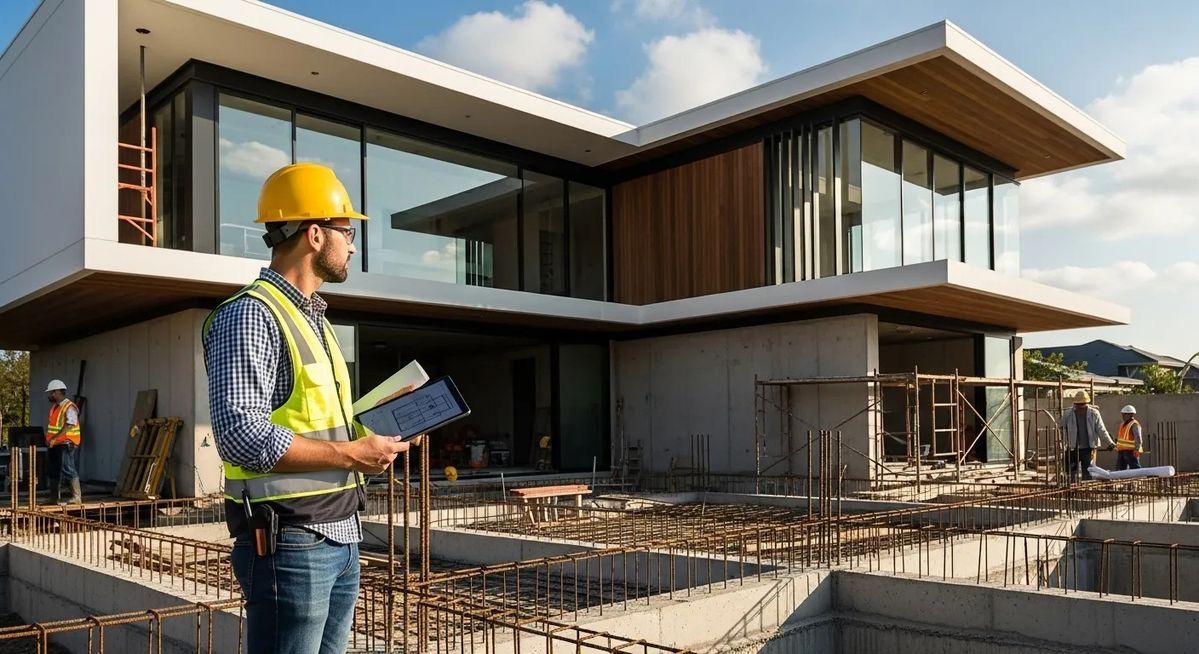
A good pre-construction review should go beyond the price sheet. At minimum, the buyer should review these areas with a qualified advisor and independent attorney.
Developer and project background
Ask:
- What has this developer delivered before?
- Were prior projects delivered on time?
- Are those communities operating well today?
- Is the developer using its own capital, bank financing, pre-sales or a combination?
- Who is the builder?
- Who is the architect?
- Who will operate the HOA or amenities?
Land, permits and legal status
Ask:
- Does the developer have clear title to the land?
- Is the land already regularized and suitable for private sale?
- Are construction permits in place?
- Is the condominium regime or subdivision process defined?
- Are environmental authorizations required or already granted?
- Are there any liens or encumbrances?
Contract terms
Ask:
- Is the contract registered if required?
- What is the exact unit, view, parking and storage included?
- What are the payment dates or milestones?
- What happens if the buyer pays late?
- What happens if the developer delivers late?
- Can the buyer assign or resell before delivery?
- What are the cancellation rights?
- What warranties apply?
- What is the dispute-resolution process?
Specifications and delivery
Ask:
- What finishes are included?
- Are appliances included?
- Is furniture included or separate?
- Is there a punch-list process?
- What counts as substantial completion?
- When can the buyer occupy?
- When can the buyer close?
- When do HOA fees begin?
Operating costs and management
Ask:
- What are estimated HOA fees?
- What services are included?
- Is property management mandatory or optional?
- Are rental programs allowed?
- Are there restrictions on short-term rentals?
- What insurance is required?
- What utilities or service contracts will the owner carry separately?
Exit strategy
Ask:
- Can the buyer resell before delivery?
- Does the developer restrict assignments?
- Are there transfer fees?
- Is there enough demand for the product type?
- How does the completed project compare with resale alternatives?
Pre-construction due diligence is not about finding a reason to say no. It is about finding enough verified reasons to say yes.
How Payment Plans Usually Work
There is no universal payment plan in Los Cabos. A common structure may include:
| Stage | Typical purpose | Buyer question |
|---|---|---|
| Reservation deposit | Holds the unit for a short period | Is it refundable and for how long? |
| Initial deposit | Converts interest into contract commitment | How much risk am I taking before construction progress? |
| Construction payments | Fund or track progress | Are payments tied to dates or verified milestones? |
| Delivery payment | Paid when unit is ready for possession | What does “delivery” legally mean? |
| Closing balance | Paid when title/fideicomiso transfer is completed | Is closing separate from physical delivery? |
The most important distinction is whether payments are milestone-based or calendar-based. A milestone-based schedule may require payment when construction reaches a defined stage. A calendar-based schedule may require payment on fixed dates even if the project is delayed, depending on the contract.
Neither structure is automatically good or bad. The buyer simply needs to understand which risks are being accepted. The contract should also explain where funds go. In some markets, buyers may expect independent escrow. In Los Cabos, the structure varies by project and developer. The buyer should not assume escrow exists unless it is clearly documented.

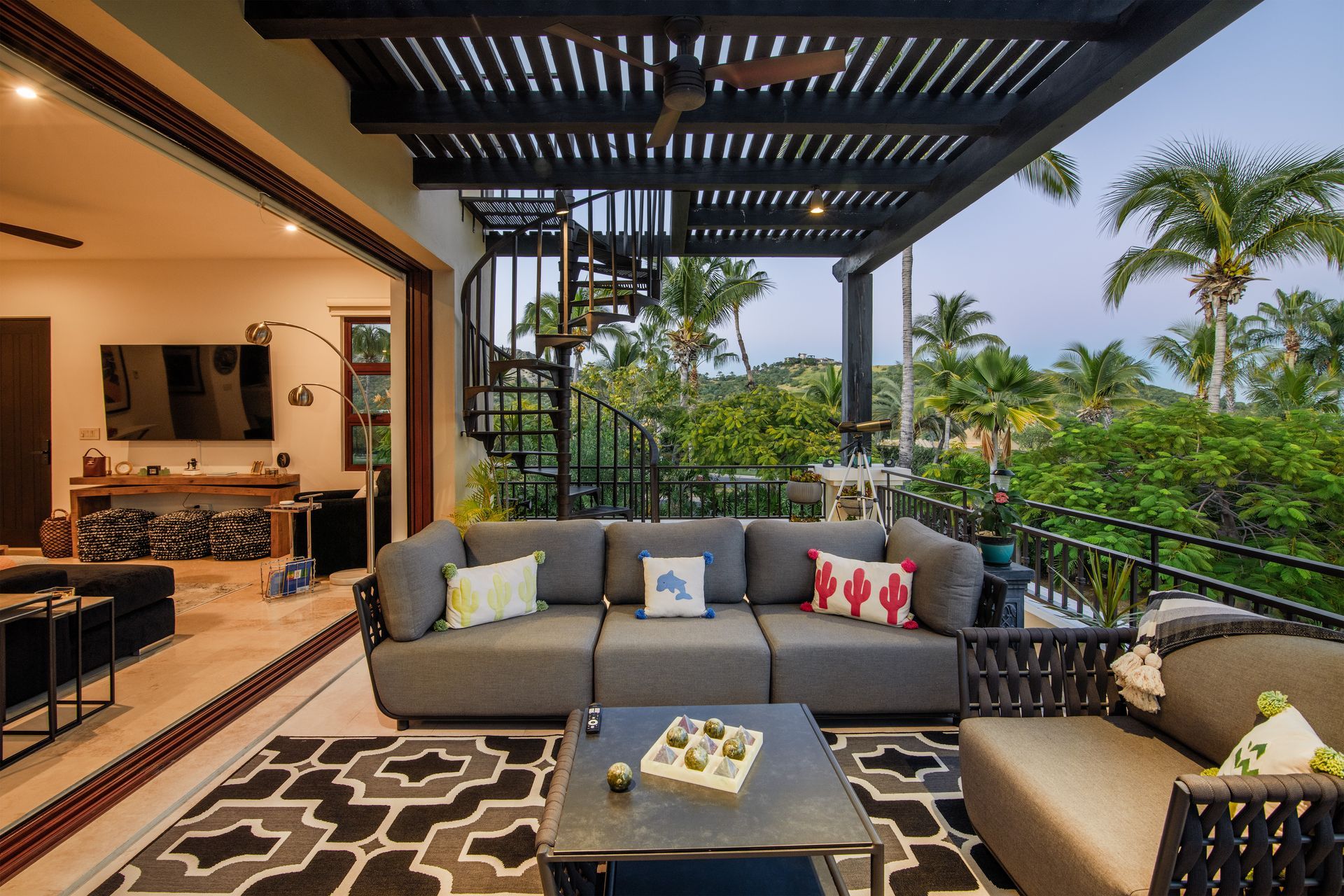
Pre-Construction vs. Finished Property
This is one of the most important comparisons for a buyer. A finished property offers certainty. You can walk through it, inspect the view, understand the building, verify the HOA, review existing operating costs and use the property soon after closing.
Pre-construction offers possibility. You may receive better selection, newer design, staged payments and early pricing, but you accept uncertainty around time, delivery and final operation. The better option depends on the buyer.
| Buyer priority | Pre-construction may fit better | Finished property may fit better |
|---|---|---|
| Best floor plan selection | Yes | Often limited |
| Immediate use | No | Yes |
| Lower execution risk | No | Yes |
| Newer design | Usually yes | Depends on property |
| Known HOA operations | Not fully | Yes |
| Potential early pricing | Possible | Less likely |
| Rental history | Projected only | May be verifiable |
| Less uncertainty | No | Yes |
This is where completed inventory can be useful as a reality check. For example, Baja Investments' Palmilla Dunes listings show what a buyer can evaluate in a finished or turnkey environment. Palmilla Dunes Penthouse 1521 is listed with 3 bedrooms, 3.5 bathrooms, 2 garages and 2,916 square feet, with furniture and rooftop pieces described in the listing, plus a Platinum Membership to the Palmilla Dunes Club available for transfer subject to buyer-paid fee.
Penthouse 1921 is also presented as a turnkey 3-bedroom, 3.5-bath residence with ocean views, Palmilla access and a Platinum Membership available for transfer; the page also details The Club at Palmilla Dunes amenities, including pools, tennis, paddle, pickleball, gym, spa, sauna, steam room and clubhouse-style services.
How the Risk Changes by Property Type
Pre-construction risk does not look the same in every product category.
Condos
Condos are often the most common pre-construction product because developers can sell multiple units inside one building or phase. The buyer should focus on building progress, common-area delivery, HOA formation, elevators, parking, storage, rental rules, unit title and the condominium regime. A condo buyer should also ask how many units will be delivered at the same time. If many similar units enter the rental market together, projected rental income may be less predictable.
Villas
A villa can offer more privacy, outdoor space and residential feel, but construction and delivery can be more complex. Buyers should verify whether the villa is part of a master-planned community, whether infrastructure is complete, whether landscaping and pool systems are included and who is responsible for maintenance before the HOA is fully operating. Villas can be appealing, but the buyer should pay close attention to utility connections, road access, drainage, security, property management and post-delivery maintenance.
Private communities
In a private community, the home is only one part of the decision.
The buyer may also be purchasing access to a club, beach club, golf course, wellness center, restaurants, security, family programming or service platform. Some access may be included. Some may require separate membership. Some may be subject to approval. A private community can reduce friction for an owner who wants a managed lifestyle. It can also add complexity if the buyer does not understand dues, membership rules and what is actually attached to the property.
Resort residences
A resort residence can be attractive for buyers who want service, rental management, maintenance support and an easier ownership experience while away from Los Cabos. The buyer should understand the service agreement, rental program, owner-use restrictions, fees, furniture requirements, brand standards and management obligations.
A resort residence may simplify ownership, but the simplification is usually structured through documents and fees. Those details must be reviewed.

When Buying Pre-Construction Makes Sense
Pre-construction can make sense when several conditions align.
It may be a good fit if:
- The buyer does not need immediate use;
- The developer has a strong track record;
- The project is properly permitted and advancing;
- The payment schedule matches the buyer's liquidity;
- The price is meaningfully better than comparable finished inventory;
- The contract provides reasonable remedies and clarity;
- The buyer understands that timelines may change;
- The property type is difficult to find in the resale market;
- The location and community fit the buyer's long-term use;
- The future amenities are credible and not the only reason to buy.
It can be especially appealing in communities where finished inventory is limited or where buyers want new design, larger terraces, branded services, lock-off options or access to a new residential concept before it is widely available.
Pre-construction is strongest when the buyer can afford patience. That does not mean ignoring risk. It means the buyer is being compensated for accepting it.
When It May Not Be the Right Fit
Pre-construction may not be right if the buyer needs immediate use, income or certainty.
It may be a poor fit if:
- The buyer needs to occupy this season;
- Rental income is required immediately;
- The buyer is uncomfortable with delays;
- The project has limited construction progress;
- Developer experience is unclear;
- Permits or land status are not verified;
- The contract is heavily one-sided;
- Payments are front-loaded without sufficient protection;
- Future amenities are the main reason for buying;
- Similar finished inventory is available at a reasonable price;
- The buyer has not compared the project with resale alternatives.
The most dangerous pre-construction purchase is the one made only from emotion. The rendering looks beautiful. The sales office feels convincing. The early price seems attractive. The buyer imagines the finished lifestyle.
But if the contract, delivery, title, developer and operating costs have not been reviewed, the buyer is not purchasing a strategy. They are purchasing an assumption.

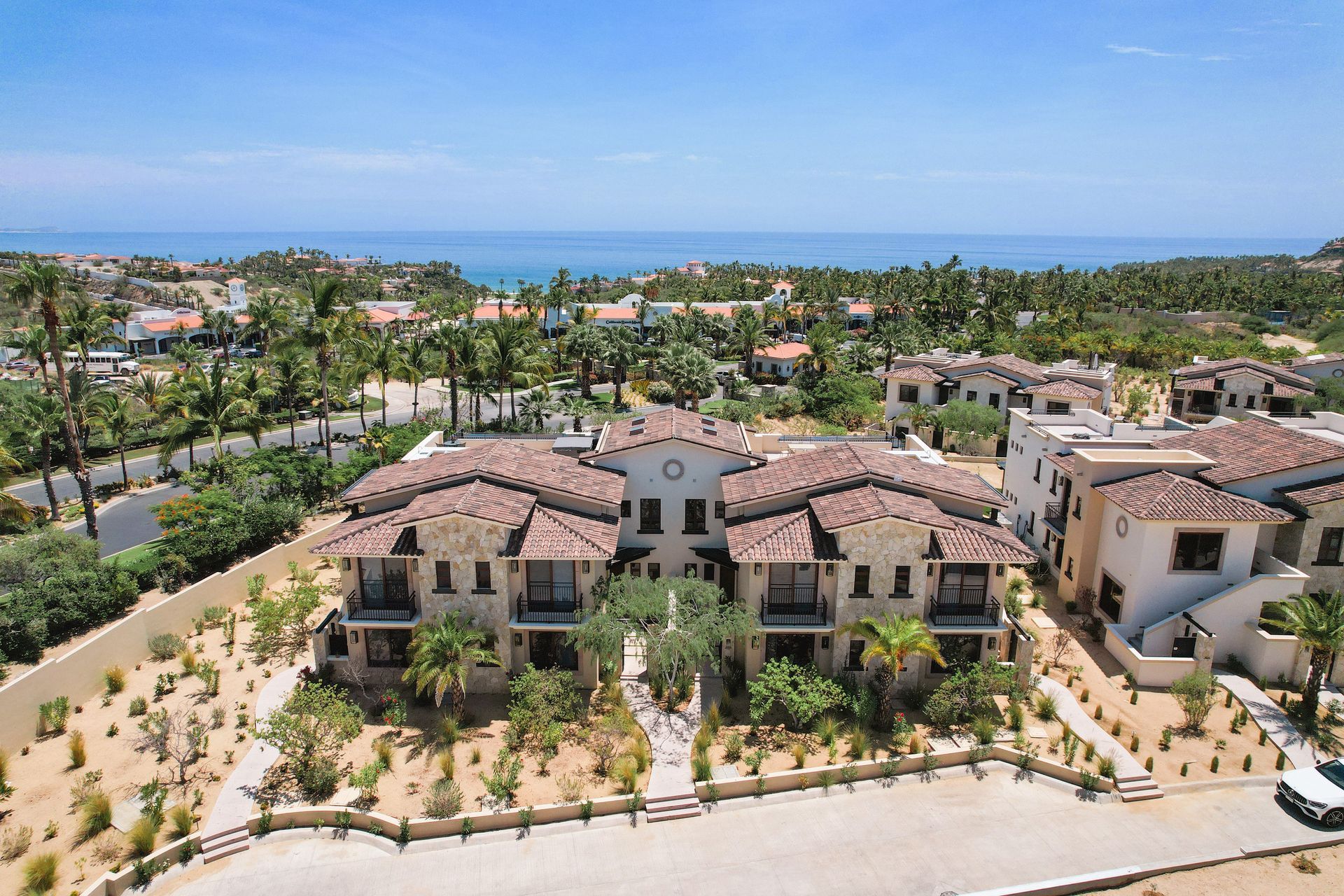
The Real Question: What Are You Trading?
Every pre-construction decision is a trade. The buyer may trade certainty for price. Immediate use for selection. Finished operations for new design. Known HOA fees for estimated future costs. Current rental history for projected rental performance. A completed view for a promised view.
None of those trades is automatically wrong. But they should be conscious. A good advisor should help the buyer compare the pre-construction opportunity against finished alternatives, not simply repeat the developer's sales argument.
For example, if a buyer is considering a pre-construction condo because it appears less expensive than a completed Palmilla-area property, the analysis should ask:
- How much less expensive is it really after closing costs, furniture, HOA, management and delivery timing?
- What is the delivery risk?
- What finished alternatives exist today?
- How important is immediate use?
- Is the view comparable?
- Is the community comparable?
- Are amenities operating or planned?
- How much of the purchase depends on future appreciation?
That is the kind of comparison that turns pre-construction from a marketing decision into an ownership strategy.
Final Thoughts
Buying pre-construction in Los Cabos can be worth it. But it is not worth it simply because the property is new, discounted or beautifully rendered.
It is worth it when the buyer receives enough value to justify waiting and enough protection to make the wait reasonable. The best pre-construction decisions are rarely impulsive. They are structured. The buyer understands the developer, the project stage, the payment schedule, the contract, the delivery timeline, the ownership vehicle, the future HOA, the management plan and the alternatives already available in the market.
That is where Baja Investments can add value. The role of an advisor is not to make every pre-construction project sound attractive. It is to identify which projects deserve attention, which questions need to be answered and whether a finished property may actually serve the buyer better.
Sometimes the right answer is pre-construction. Sometimes it is resale. The important thing is knowing what you are trading before you sign.
Find Your Place in Cabo San Lucas
The Place at Cabo is just one example of how downtown continues to evolve. Discover homes that let you enjoy the marina, restaurants, beaches, and everything Cabo San Lucas has to offer.
Frequently Asked Questions
Is buying pre-construction in Los Cabos safe?
It can be safe when the project, developer, permits, contract, payment schedule and delivery process are properly reviewed. It is not risk-free. Buyers should work with independent legal counsel and a real-estate advisor who can compare the project with finished alternatives.
What is the biggest advantage of pre-construction?
The biggest advantage is usually access to better selection, newer design and earlier pricing. Buyers may choose preferred units, floor plans, views and payment structures before the project is finished. The value depends on whether the project is delivered as promised.
What is the biggest risk?
The biggest risk is execution. Delays, financing issues, permitting problems, contract imbalance, construction changes and unclear delivery terms can affect the buyer's experience. The developer's track record and the contract language matter more than the rendering.
How do payment plans usually work?
Most payment plans include a reservation deposit, an initial deposit, construction progress payments and a balance due at delivery or closing. The exact schedule varies by project. Buyers should confirm whether payments are tied to calendar dates or construction milestones.
Do foreign buyers use a fideicomiso for pre-construction?
Foreign buyers purchasing residential property near the coast generally use a fideicomiso, or bank trust. In pre-construction, buyers should confirm when the trust can be created, when title can transfer and whether the unit or property is legally ready for closing at delivery.
Is delivery the same as closing?
Not always. Delivery may refer to physical possession, while closing may refer to final title transfer, fideicomiso structure and formal legal completion. Buyers should ask how the contract defines both terms.
Can I rent out a pre-construction property after delivery?
Possibly, but it depends on the property, HOA rules, rental restrictions, management structure, furniture requirements and local demand. Rental income should not be assumed based only on developer projections.
Is pre-construction better than resale?
Not universally. Pre-construction may offer better selection and newer design, while resale offers certainty and immediate use. The right choice depends on timeline, risk tolerance, cash flow, desired location and whether comparable finished inventory is available.
What should I ask the developer before buying?
Ask about permits, land title, construction timeline, payment schedule, delivery remedies, cancellation rights, warranties, HOA estimates, future amenities, rental rules, property management and whether the contract is registered when required.
Should I hire an attorney?
Yes. Buyers should use independent legal counsel before signing a pre-construction contract. The attorney should review the contract, developer obligations, payment terms, title path, fideicomiso timing and buyer remedies.
Can pre-construction appreciate before delivery?
It can, but appreciation is not guaranteed. It depends on market conditions, project execution, pricing strategy, comparable sales, demand and the finished quality of the project. Buyers should not rely on appreciation as the only reason to purchase.
How does Palmilla Dunes compare with pre-construction?
Palmilla Dunes provides an example of finished inventory where buyers can evaluate the property, amenities, membership structure and lifestyle now. Baja Investments' Palmilla Dunes listings can be useful benchmarks when comparing a future pre-construction promise against an existing ownership experience.
What kind of buyer should avoid pre-construction?
A buyer who needs immediate use, guaranteed rental income, fixed timing or very low uncertainty may be better served by a finished property. Pre-construction requires patience, verification and tolerance for some execution risk.
How can Baja Investments help?
Baja Investments can help compare pre-construction opportunities with finished alternatives, review developer track records, identify key contract questions, evaluate community fit and build a shortlist based on the buyer's timeline, risk tolerance and intended use.
RELATED POSTS