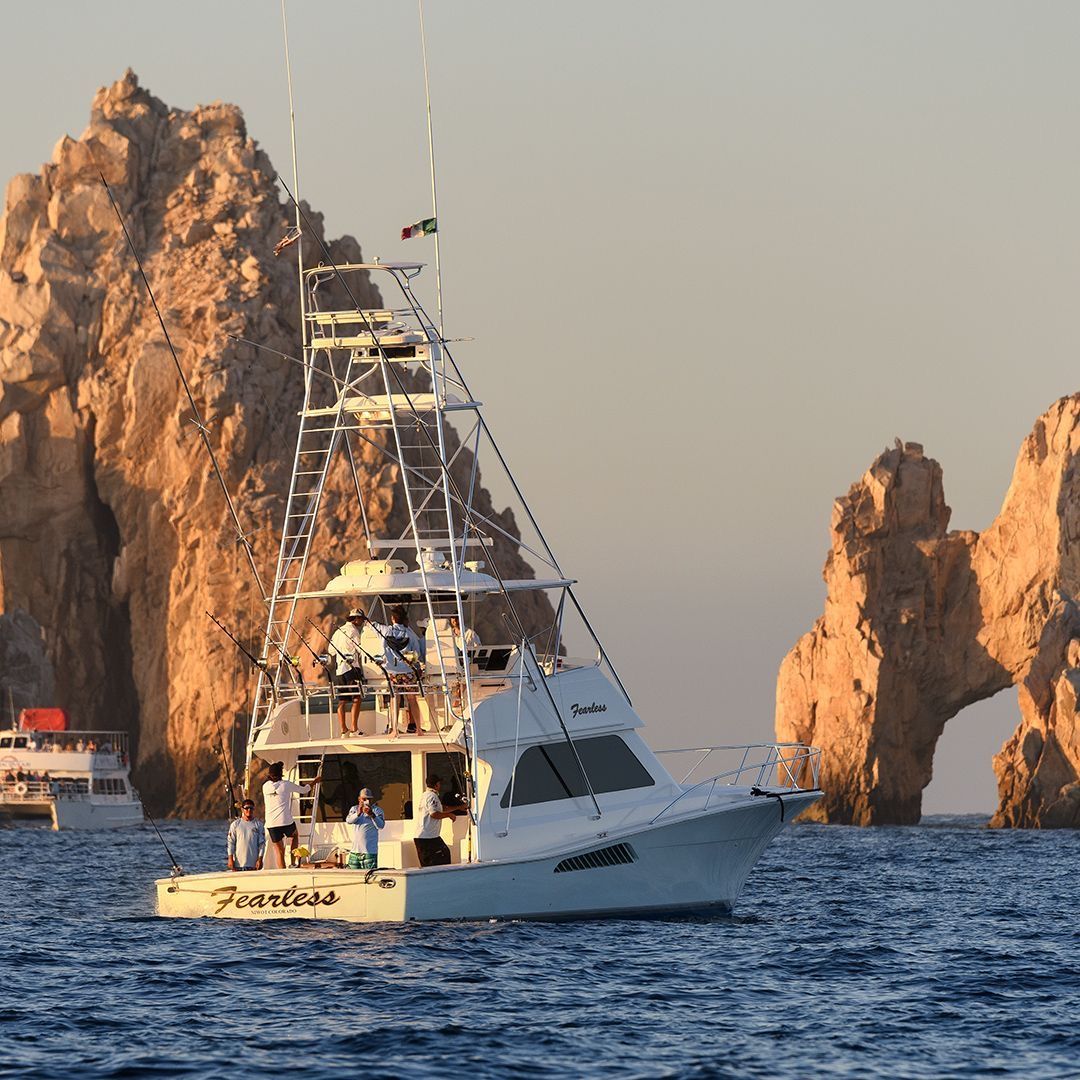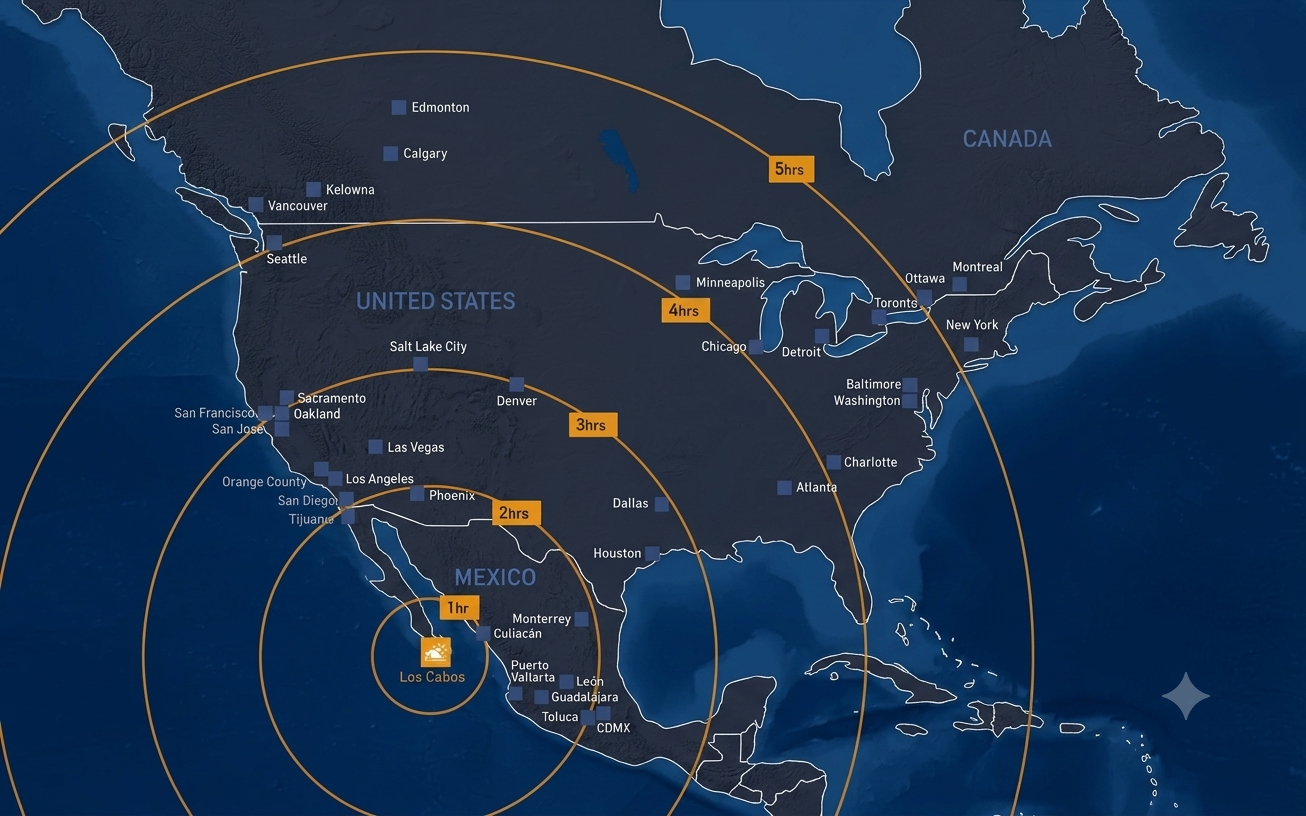
Hurricane Season in Los Cabos: How to Prepare Your Home, Family, and Travel Plans
Hurricane season in Los Cabos should not be approached with fear, but it should be approached with structure. For homeowners, future buyers, seasonal residents and frequent visitors, prevention is part of living well in a coastal destination.
-By Jhon Anderson
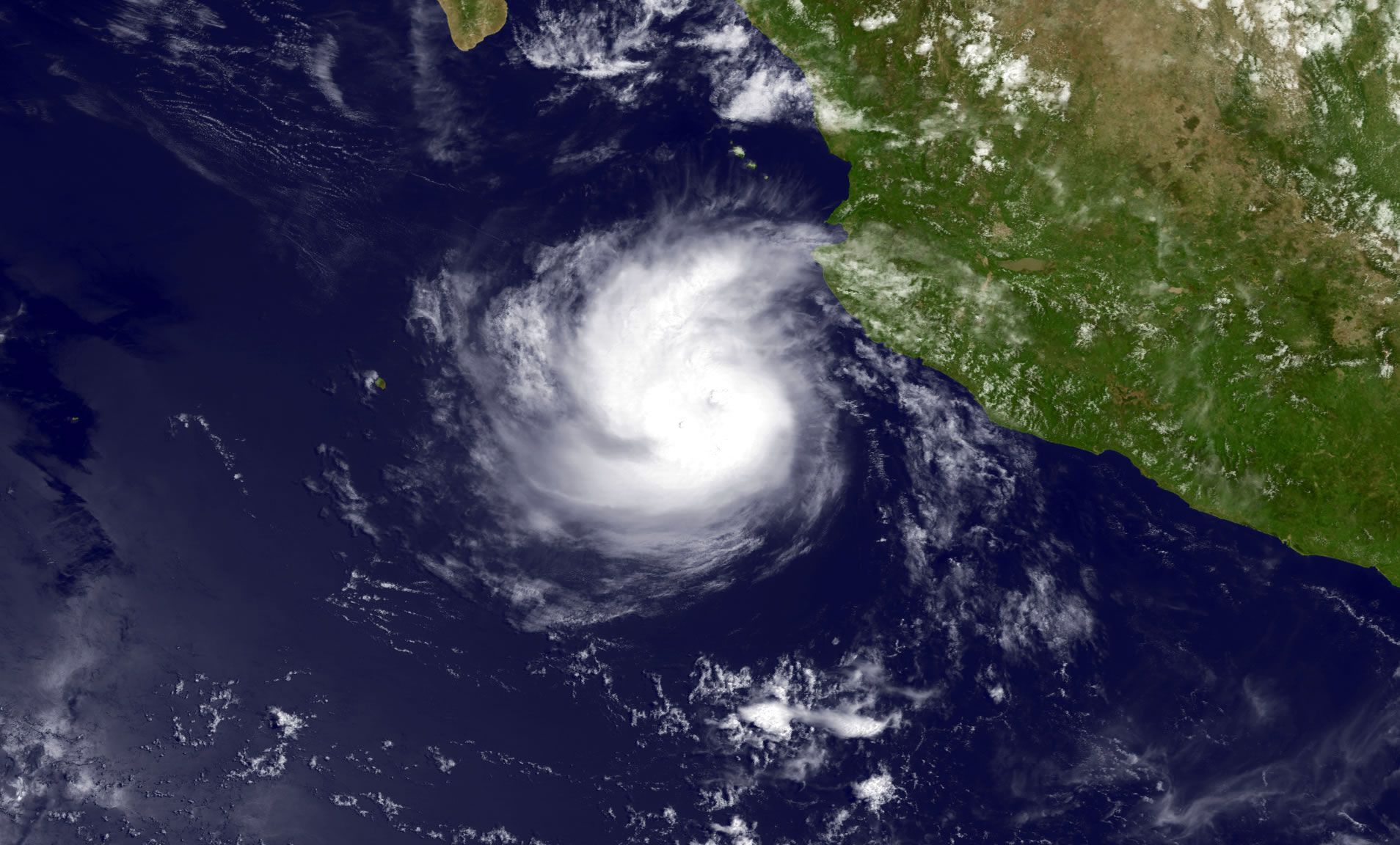
Hurricane season is part of life in Los Cabos.
That does not mean it should define the way people think about living here. It does mean that anyone who owns a home, plans to buy property, manages a rental, travels frequently or spends part of the year in Baja California Sur should understand how preparation works before a storm appears on the map.
The mistake is waiting until a system has a name. By that point, the conversation becomes hurried. People begin searching for shutters, water, batteries, generators, fuel, insurance documents and official information at the same time everyone else is doing the same thing. Decisions that should have been calm become emotional. Small repairs that could have been handled months earlier become urgent. A property that could have been ready becomes dependent on luck and last-minute coordination.
Good hurricane preparation is quieter than that. It is done before the season becomes dramatic. For Los Cabos, preparation is not only about protecting a structure. It is about protecting continuity: the ability of a household, property manager, HOA, rental guest or seasonal owner to know what happens before, during and after a storm. That continuity matters whether the home is in Palmilla, Puerto Los Cabos, Querencia, Cabo del Sol, Pedregal, the Tourist Corridor, San José del Cabo, Cabo San Lucas or the East Cape.
Every property is different. Every neighborhood has its own exposure, drainage, construction quality, road access, HOA protocols and service network. But the principle is the same.
A well-prepared home is easier to leave, easier to return to and easier to trust. That is the real value of prevention.
When Is Hurricane Season in Los Cabos?
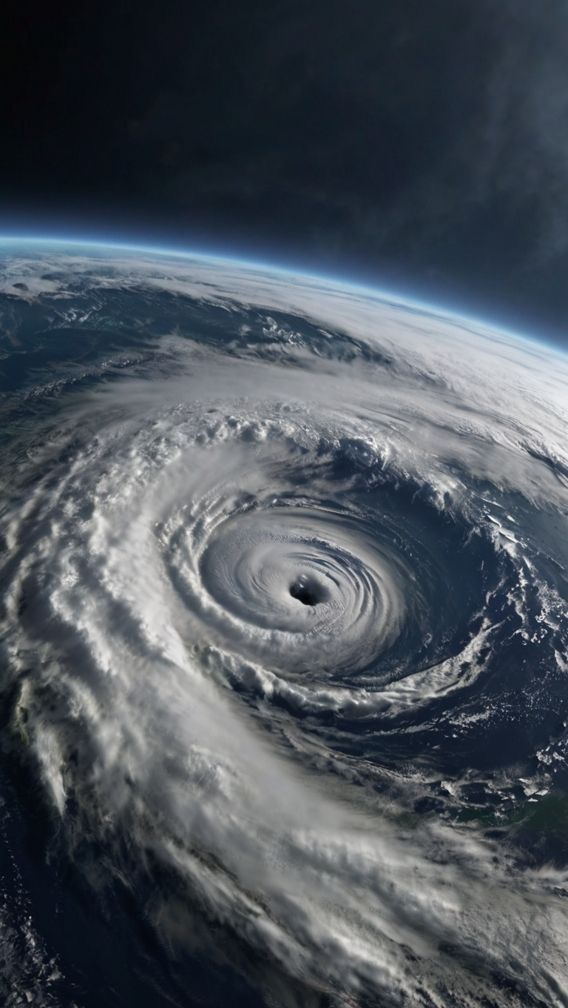
Los Cabos sits in the eastern Pacific hurricane basin. According to NOAA, the official eastern Pacific hurricane season runs from May 15 to November 30. Mexico’s civil-protection and meteorological authorities use the same general seasonal window for Pacific tropical cyclones. (NOAA hurricane preparedness CENAPRED cyclone season guidance).
That does not mean every month carries the same risk. Some years are quiet. Some systems form far offshore and never affect the peninsula. Others bring heavy rain, dangerous surf, wind, road closures, flooding or service interruptions even when they do not make direct landfall. A tropical storm can still disrupt travel and property operations. A hurricane does not need to pass directly over a home to expose weaknesses in drainage, landscaping, roof maintenance, windows, electrical systems or access roads.
For 2026, Mexico’s Servicio Meteorológico Nacional and Conagua forecast above-average activity in the Pacific, with 18 to 21 named tropical cyclones expected in that basin. The forecast included 9 or 10 tropical storms, 5 or 6 Category 1–2 hurricanes and 4 or 5 major hurricanes. (Conagua / SMN 2026 forecast).
A seasonal forecast is not a property-specific prediction. It does not tell anyone whether Los Cabos will be directly affected, and it does not justify panic. It does justify preparation.
The practical approach is simple: Treat the season as predictable, even when the storms are not.
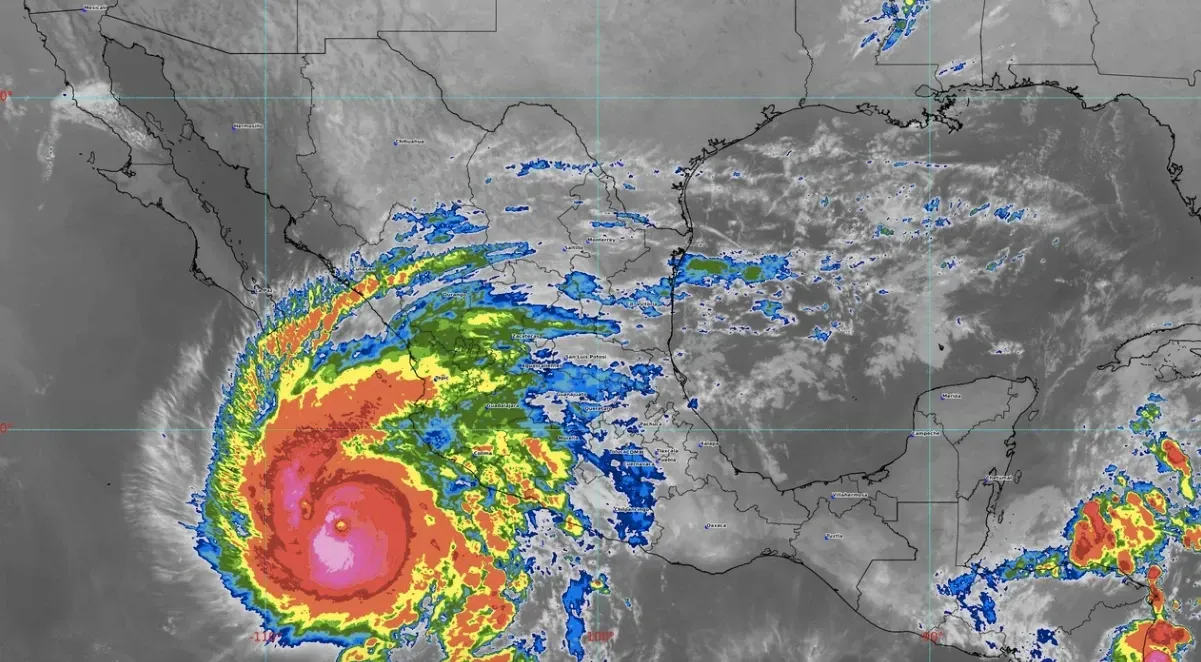
Why Prevention Matters More Than Prediction
Most homeowners naturally want to know whether a storm will hit.
That is understandable, but prediction is not the part of the process an owner controls. Forecasts change. Tracks shift. A system can intensify or weaken. Rain bands can create problems far from the center. Mountain terrain, arroyos, road conditions and drainage can matter as much as the storm category itself.
Prevention is different because it belongs to the owner. An owner can inspect roof drains, reinforce windows, trim landscaping, store outdoor furniture, test backup systems, photograph the property, review insurance, confirm the property manager’s protocol and decide who has authority to act if the owner is outside Mexico. Those steps may not feel dramatic, but they are the difference between a property that enters the season organized and a property that waits to be surprised.
This is especially important in Los Cabos because many owners are not here full-time. A second home may sit empty for weeks or months. A rental property may have guests on site. A family residence may have staff, vendors or property managers involved. A condominium may depend on HOA-level action. A home in a private community may depend on gate access, security, landscaping crews and common-area decisions.
Preparation is therefore not one checklist. It is a chain of responsibility. The owner, family, property manager, HOA, guests, contractors and local authorities all play a role. If any part of that chain is unclear, a storm will reveal it.
Los Cabos Is Prepared at the Community Level, but Owners Still Have a Role
Local government prepares every season. That is important context for homeowners and buyers.
For the 2026 season, the Ayuntamiento de Los Cabos reported inspections of 44 temporary shelters across the municipality, with reviews focused on safety, operability, electrical systems, sanitary conditions, access, connectivity and general conditions. The municipality also stated that an updated shelter registry would help families in vulnerable zones identify the closest available refuge in advance. (Los Cabos shelter inspection).
The municipal government also reported coordination meetings for the 2026 season, including reviews of flood-prone areas, arroyo cleaning and maintenance, more than 40 temporary shelters, specialized brigades, communication protocols and operational coordination among different authorities. (Los Cabos hurricane-season coordination).
At the state level, Baja California Sur reported the supervision of 169 temporary shelters across the five municipalities, with an estimated capacity of 33,192 people. The state also reported reviewing structural safety, emergency exits, basic services, sanitary conditions and accessibility for people with disabilities or reduced mobility. (BCS temporary shelters).
This infrastructure matters, but it does not replace private preparation. Public shelters, municipal brigades and emergency coordination are designed to protect the population during a contingency. They are not a substitute for maintaining a private home, securing outdoor items, checking drainage, protecting documents or having a plan for pets, guests, staff and family members.
A prepared community reduces risk. A prepared property reduces stress. Both are necessary.
The Homeowner’s Pre-Season Checklist
The best time to prepare a Los Cabos home is before the first serious storm threat appears.
For most owners, that means completing a property review before or early in the season, then repeating a shorter check during peak months. The exact timing depends on whether the property is occupied full-time, used seasonally, managed as a rental or sitting empty. A useful pre-season review should include seven areas.
1. Roofs, drains and water movement
Water is often the most underestimated risk. A home can have strong construction and still suffer preventable damage because water had nowhere to go. Roof drains, scuppers, gutters, patios, terraces, garage entrances and exterior stairwells should be inspected before heavy rain. Debris, leaves, dust, construction material and landscape waste can block water flow.
The question is not simply whether the roof looks good. The question is where the water goes when several inches of rain arrive quickly. For hillside homes, drainage paths matter. For low-lying properties, surrounding street conditions matter. For condominiums, the HOA’s drainage maintenance matters. For homes near arroyos, access and evacuation planning matter.
2. Windows, doors and openings
Wind-driven rain finds weak points. Owners should confirm the condition of sliding doors, seals, locks, screens, shutters, hurricane protection, garage doors and any exterior opening where water or wind can enter. Temporary solutions are not ideal, but even temporary measures should be planned before they are needed.
If a property has hurricane shutters, someone should know how to install or close them. If protection panels are stored on site, they should be labeled and accessible. If specialized vendors are required, the property manager should have that agreement in place before the season.
3. Outdoor furniture and loose objects
Outdoor living is one of the pleasures of Los Cabos. During a storm, it can also become one of the greatest risks. Chairs, umbrellas, planters, grills, cushions, decorative objects, pool equipment, tools, trash bins and loose construction material should all have a secure storage plan. A property manager should not be discovering where to put everything on the day a warning is issued. The rule is simple: If it can move, it needs a plan.
4. Landscaping and trees
Landscaping should be reviewed before peak storm months. Dead branches, weak palms, overgrown trees, unstable pots and poorly anchored landscape elements can become hazards. Irrigation systems should also be reviewed because flooding and power interruptions can affect normal operations after a storm. For properties in private communities, landscaping protocols may need to coordinate with HOA rules and approved vendors.
5. Power, water and backup systems
Power outages can occur during or after a tropical storm or hurricane. Owners should know whether the property has a generator, battery system, surge protection, water cistern, pressure pump, propane supply, emergency lighting or other backup infrastructure. Those systems need maintenance, testing and clear instructions.
A generator that has not been serviced is not a plan. A water cistern without a working pump is not a plan. A smart-home system that depends entirely on internet connectivity may not be reliable during an outage. The property’s basic systems should be able to function under imperfect conditions.
6. Documents, photos and insurance
Every homeowner should maintain a current digital file containing:
● Insurance policies;
● Deed or ownership documents;
● HOA contacts;
● Property manager agreement;
● Emergency contact list;
● Utility account details;
● Photos and videos of the property before the season;
● Inventory of major furniture, equipment and appliances;
● Copies of passports or identification for household members;
● Pet documents if applicable.
This file should be accessible outside the home. Before the season, owners should review what the insurance policy covers and what it excludes. Flood, wind, contents, rental-use, vacancy and deductible terms should be understood before damage occurs, not afterward.
7. Property manager authority
For non-resident owners, the property manager’s authority must be explicit. Who can authorize shutter installation? Who can pay emergency vendors? Who can enter the home? Who contacts the HOA? Who communicates with guests? Who documents damage? Who is responsible for post-storm inspection? Who has copies of keys, access cards and alarm codes? If those answers are informal, they should be formalized. During a storm, ambiguity costs time.

The Personal Preparedness Plan
A home can be physically ready while the people connected to it remain unprepared. That is why CENAPRED and other preparedness agencies emphasize family planning, emergency kits, official information and early action. Ready.gov also recommends preparing a kit, making a plan and understanding what to do before, during and after a hurricane. (Ready.gov hurricane preparedness).
For Los Cabos homeowners, the personal plan should answer four questions.
1. Who is responsible for each person? A family may not be together when a storm warning is issued. Children, older adults, guests, domestic staff, renters and pets may all require different instructions. Everyone should know who communicates, where to meet, when to leave and which official channels to follow.
2. Where will you go if evacuation is recommended? If local authorities recommend evacuation, the decision should not be negotiated through emotion or convenience. Follow official instructions.
The plan should identify:
● The nearest safe location;
● Potential temporary shelters;
● A hotel or private alternative if appropriate;
● Transportation options;
● Pet considerations;
● Medication needs;
● Accessibility needs;
● Communication steps once the household is safe.
Owners should not assume that staying in a high-value property is safer than relocating if authorities indicate otherwise.
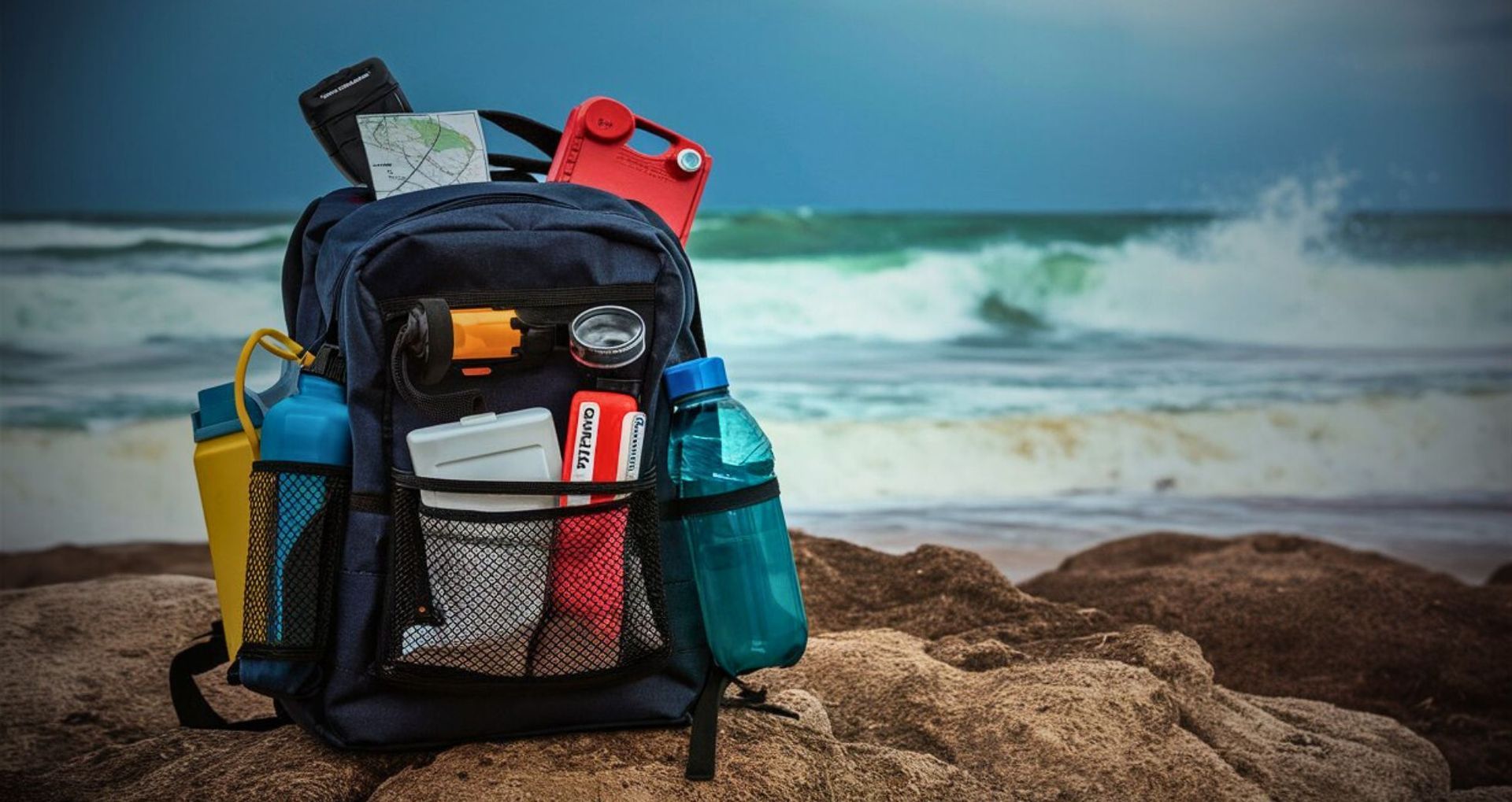
3. What supplies are available? A basic emergency supply plan should include:
● Drinking water;
● Non-perishable food;
● Flashlights;
● Batteries;
● Battery or hand-crank radio;
● Power banks;
● First-aid kit;
● Medications;
● Cash;
● Copies of key documents;
● Sanitation supplies;
● Pet food;
● Infant or elder-care supplies if needed.
The quantity and exact contents depend on household size and medical needs. The important point is to prepare before demand increases.
4. How will you receive official information? During tropical-weather events, rumors move quickly. The household should rely on official sources such as Protección Civil, the Ayuntamiento de Los Cabos, the Government of Baja California Sur, Conagua/SMN and official emergency channels. The Ayuntamiento reported that municipal social communication would be the authorized channel for official contingency information, specifically to reduce false information during emergencies. (Los Cabos coordination meeting).
A good rule is this:
Do not forward storm information unless it comes from an official or clearly verified source.
What to Do When a Storm Is Being Monitored
When a tropical system forms in the Pacific, the first step is not panic. It is monitoring. Owners and residents should follow official updates and begin moving through their pre-defined plan. The response should intensify as the storm becomes more likely to affect the area.
Early monitoring stage. At this point, the goal is awareness.
● Track official forecasts.
● Confirm travel plans.
● Check the property manager’s availability.
● Review the home preparation checklist.
● Confirm fuel, supplies and communication.
● Avoid spreading unverified forecast images.
Watch or likely-impact stage At this point, the goal is readiness.
● Secure outdoor furniture and loose items.
● Prepare shutters or window protection.
● Charge devices and power banks.
● Move important documents to secure locations.
● Confirm guest, staff and family communication.
● Check drains and roof areas one last time.
● Fill vehicles if safe and appropriate.
● Confirm whether flights are changing.
● Follow local authority instructions.
Warning or active-response stage At this point, the goal is safety.
● Stay indoors unless instructed to evacuate.
● Do not cross flooded roads or arroyos.
● Keep away from windows.
● Disconnect non-essential electronics if appropriate.
● Follow official updates.
● Keep emergency supplies accessible.
● Do not assume calm conditions mean the storm is over.
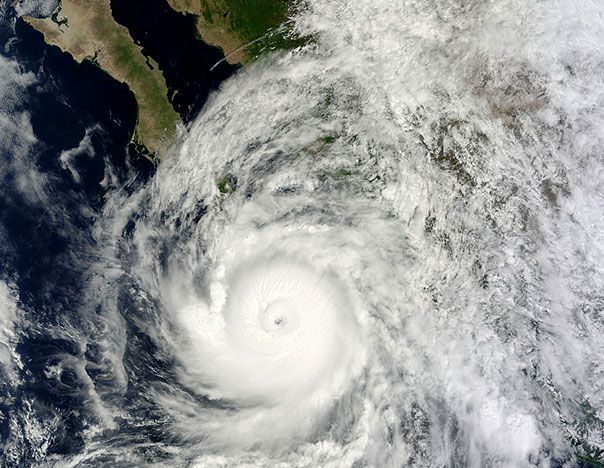
CENAPRED warns that during the passage of a hurricane, the eye can create a temporary calm before destructive winds return from another direction. This is one of the reasons residents should wait for official confirmation before assuming the danger has passed. (CENAPRED tropical-cyclone guidance).
After the Storm: The Part Many Owners Underestimate
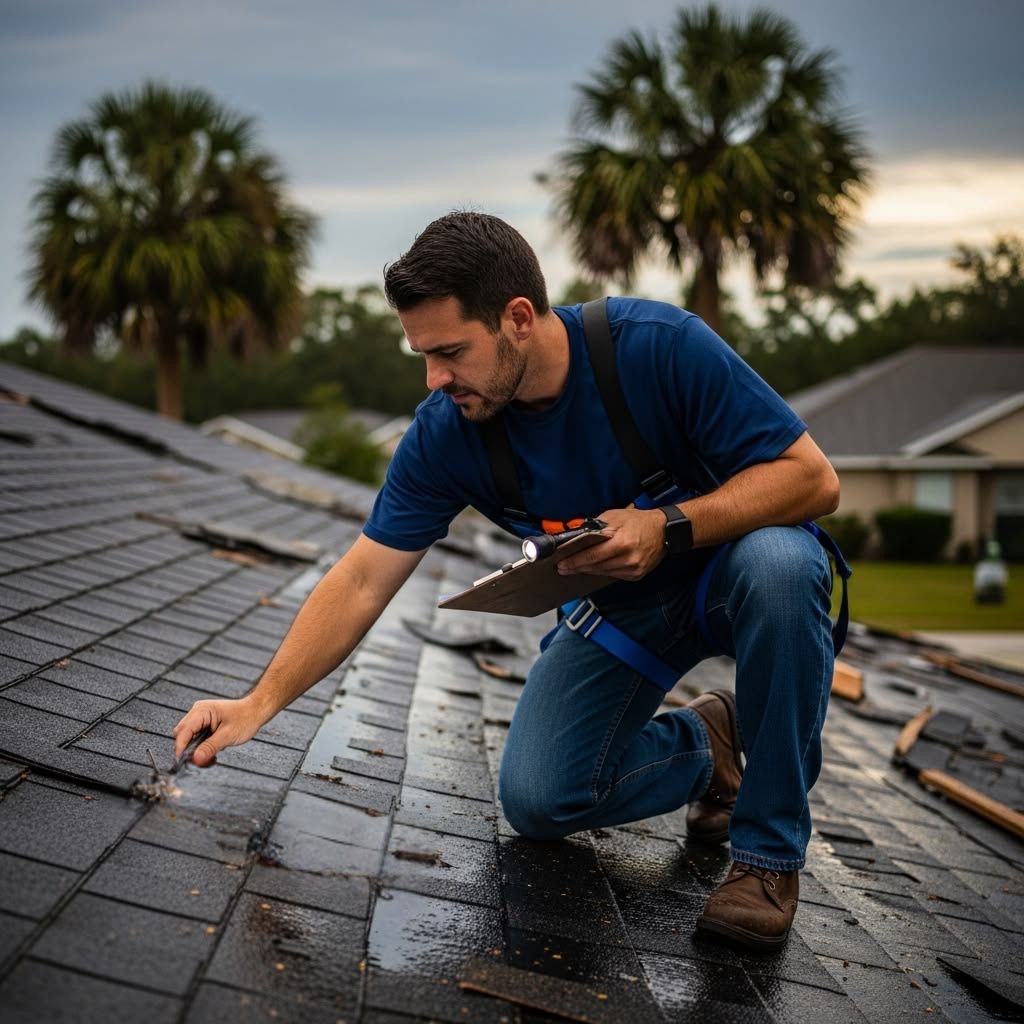
Post-storm decisions are often as important as pre-storm preparation. The first instinct may be to inspect the home immediately. That is understandable, but it may not be safe. Roads may be flooded, arroyos may be active, power lines may be down, hillsides may be unstable and emergency services may still be operating.
The first rule after a storm is to wait for official information. Once conditions allow, the post-storm process should be organized.
1. Confirm safety before property inspection
No one should enter a damaged property until it is safe to do so. Standing water, electrical hazards, broken glass, unstable structures, gas leaks and contaminated water can create risk even after the wind has stopped.
2. Document before cleaning
For insurance purposes, photograph and video damage before moving items, making repairs or discarding materials. A property manager should know how to create this record.
3. Prevent secondary damage
Once documentation is complete and conditions are safe, temporary repairs may be needed to prevent further water intrusion, mold or exposure. Owners should understand what emergency repairs are allowed under the insurance policy.
4. Communicate with HOA or community management
Common areas, gates, roads, pools, landscaping, elevators, roofs and shared systems may be managed by the HOA or master association. Owners should understand which repairs are private and which belong to the association.
5. Review guest and rental obligations
If the property is rented, guests may need relocation, refunds, adjusted check-in dates or safety instructions. Rental managers should have a storm policy before the season begins.
6. Inspect systems over time
Some problems appear days later: leaks, electrical failures, pump damage, mold, landscape instability or pool contamination. A single first inspection is helpful, but it may not be enough. A good post-storm protocol includes follow-up.
The Difference Between a Well-Marketed Property and a Well-Prepared Property
Luxury marketing often focuses on views, architecture, amenities and lifestyle. Preparedness is less visible.
It rarely appears in the first photo of a listing. It may not be mentioned in a brochure. It is not as emotional as an ocean view or as immediate as a private pool.
But over time, preparedness becomes part of the quality of ownership. A well-prepared property has:
● Maintained roof and drainage systems;
● Clear storm protection for openings;
● Organized utility and backup systems;
● Documented insurance;
● A competent property manager;
● A responsive HOA or community;
● Secure storage for outdoor furniture;
● A post-storm inspection process;
● Clear guest and staff protocols.
Those details do not replace beauty. They protect it. A buyer should be able to enjoy the terrace, the view and the indoor-outdoor lifestyle because the practical systems behind the home have been considered. That is especially true for foreign or seasonal owners.
When the owner is not in Los Cabos, the property must be able to move through the early stages of preparation without waiting for the owner to arrive. That requires planning, authorization and trust.

What This Means for Different Los Cabos Lifestyles
Not every Los Cabos property requires the same preparation. Resort residences. A branded or resort-managed residence may include stronger operational support, but owners should still confirm what the resort or HOA does during a storm and what remains the owner’s responsibility.
Private homes:
A stand-alone home gives the owner more control, but also more responsibility. Shutters, landscaping, roof maintenance, generator service and post-storm inspections usually require direct coordination.
Condominiums:
Condo owners may depend heavily on HOA protocols. The key questions involve common areas, roofs, elevators, pumps, parking, insurance and who communicates with owners before and after a storm.
Rental properties:
Rental homes require an additional guest-safety layer. Managers should have clear check-in policies, cancellation rules, emergency communications and relocation procedures.
Gated communities:
Gated communities may offer security, maintenance and coordinated response, but access roads, drainage, common infrastructure and HOA communication still matter.
Remote or low-density areas:
Homes in more remote areas may offer privacy and land, but they require a stronger plan for road access, power, water, fuel, communication and emergency response.
The right property depends not only on how someone wants to live during perfect weather. It also depends on how confidently the home can be managed during imperfect weather.
A Calm Hurricane-Season Plan for Los Cabos Owners
The most useful plan is simple enough to follow. Before the season.
● Review insurance.
● Photograph the property.
● Inspect roof, drains, windows and doors.
● Service generators, pumps and backup systems.
● Trim trees and secure landscaping.
● Confirm property manager authority.
● Review HOA or community emergency protocols.
● Update emergency contacts.
● Prepare supplies.
● Identify official information sources.
When a storm is possible
● Monitor official forecasts.
● Confirm travel plans.
● Check guest and staff communication.
● Secure outdoor items.
● Prepare shutters or window protection.
● Charge devices.
● Confirm supplies.
● Follow official instructions.
During the storm
● Stay indoors or evacuate if instructed.
● Avoid windows.
● Do not cross flooded roads or arroyos.
● Keep emergency supplies accessible.
● Follow official information.
● Do not assume the storm is over during a period of calm.
After the storm
● Wait for official safety guidance.
● Avoid flooded or damaged areas.
● Inspect only when safe.
● Photograph damage.
● Contact insurance and property management.
● Prevent secondary damage when safe.
● Review lessons learned and update the plan.
This is not complicated, but it must be done before the stressful part of the season begins
Final Thoughts
Hurricane season should not be the reason someone avoids Los Cabos. It should be one of the reasons they choose carefully. A serious buyer does not need to be frightened by coastal risk. A serious buyer needs to understand it. The same is true for current homeowners. Prevention is not about expecting the worst every year. It is about building enough structure that the unexpected does not become chaotic.
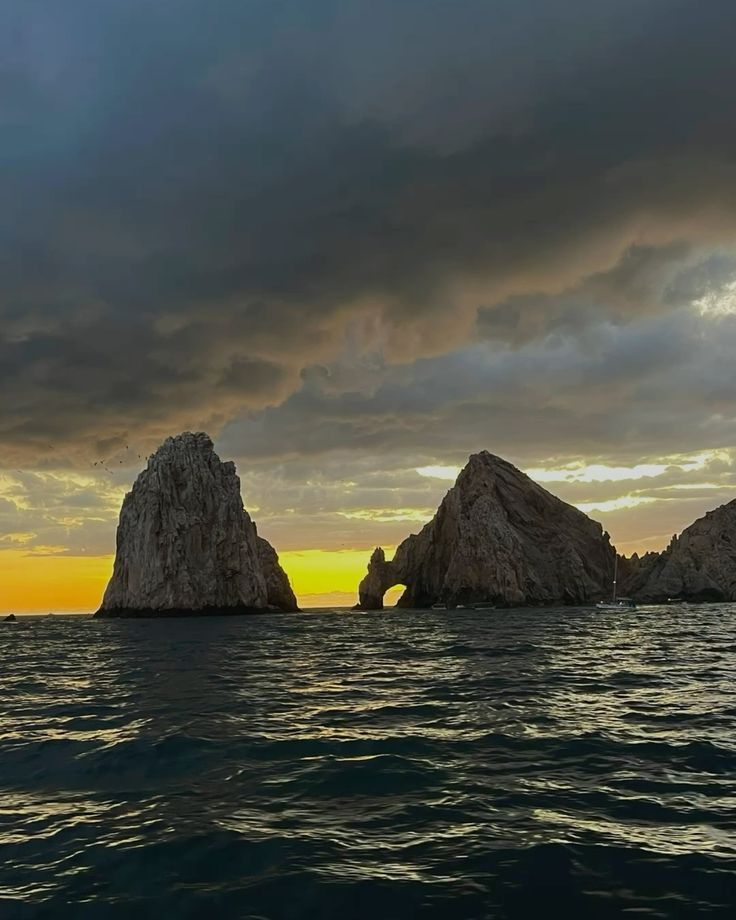
Los Cabos is a place of beauty, but it is also a place with weather, geography, arroyos, coastline, hillsides, infrastructure and seasonal risk. To live well here is to respect that reality. The best prepared owners are not necessarily the most worried. They are usually the most organized. They know who to call, what to secure, where the documents are, how the house drains, what the HOA will do and which official sources to trust.
That kind of preparation does not make the season disappear. It makes the season manageable. For Baja Investments, that is part of responsible real-estate guidance. The right property is not only the one that looks right on a clear day. It is the one that still makes sense across the full rhythm of living in Los Cabos.
Find Your Place in Cabo San Lucas
The Place at Cabo is just one example of how downtown continues to evolve. Discover homes that let you enjoy the marina, restaurants, beaches, and everything Cabo San Lucas has to offer.
Frequently Asked Questions
When is hurricane season in Los Cabos?
Los Cabos is in the eastern Pacific hurricane basin. The official eastern Pacific hurricane season runs from May 15 to November 30. Risk is not identical every month, but homeowners and travelers should treat the entire season as a period for monitoring and preparedness.
Is Los Cabos safe during hurricane season?
Los Cabos can be safe during hurricane season when residents, visitors, properties and authorities prepare properly and follow official instructions. The key is not to ignore the season. Monitor official sources, understand your location, prepare your home and evacuate if authorities recommend it.
Do hurricanes hit Los Cabos every year?
No. Many tropical systems form in the Pacific without directly affecting Los Cabos. However, storms can still bring rain, wind, surf, travel disruptions or flooding even without a direct hit. Preparedness matters because impact varies by track, intensity, rainfall and local geography.
What should homeowners do before hurricane season?
Homeowners should inspect roofs, drains, windows, doors, shutters, landscaping, outdoor furniture, generators, pumps, water systems and insurance documents. They should also confirm property-manager authority, HOA protocols, emergency contacts and official information channels before a storm is approaching.
What should be in an emergency kit in Los Cabos?
A basic kit should include drinking water, non-perishable food, flashlights, batteries, a battery or hand-crank radio, power banks, first-aid supplies, medications, copies of documents, cash, sanitation items, pet supplies and any infant, elder-care or medical necessities.
Are there hurricane shelters in Los Cabos?
Yes. For the 2026 season, the Ayuntamiento de Los Cabos reported inspections of 44 temporary shelters across the municipality. Baja California Sur also reported 169 temporary shelters statewide, with activation depending on conditions and official instructions.
Should visitors cancel trips during hurricane season?
Not automatically. Hurricane season lasts several months, and most days are normal. Travelers should monitor forecasts, understand cancellation policies, follow airline and hotel updates and avoid traveling into an area under official warnings or emergency instructions.
What should rental-property owners do?
Rental-property owners should create guest communication templates, emergency instructions, cancellation and relocation policies, manager authority, post-storm inspection procedures and clear rules about when the property cannot be occupied safely.
How should foreign owners prepare if they are not in Mexico?
Foreign owners should work with a trusted property manager, authorize emergency actions in writing, maintain digital documents, keep a current photo inventory, confirm insurance coverage and ensure someone local can prepare, inspect and communicate about the property.
What official sources should residents follow?
Residents and owners should follow official sources such as Protección Civil, the Ayuntamiento de Los Cabos, the Government of Baja California Sur, Conagua/SMN and national civil-protection channels. Avoid relying on rumor, reposted images or unverified social media forecasts.
What should buyers ask before purchasing property in Los Cabos?
Buyers should ask about drainage, elevation, storm protection, roof maintenance, HOA protocols, insurance, property management, backup systems, arroyo proximity, road access, rental policies and how the community responds before and after storms.
Does hurricane risk affect real-estate value?
Risk can influence buyer perception, insurance, maintenance requirements and property management needs, but it should not be reduced to a simple value prediction. A well-located, well-built and well-managed property is different from a property with unresolved exposure or maintenance issues.
Is a condo easier to manage during hurricane season than a house?
Sometimes, but not always. Condos may benefit from HOA coordination, but owners depend on the association’s roof, drainage, elevator, pump, parking and insurance protocols. A private home gives more control but requires more direct responsibility.
What is the most important hurricane-preparedness step?
The most important step is having a written plan before a storm is forecast. That plan should define who acts, what gets secured, where documents are stored, which supplies are available, where official information comes from and when evacuation instructions will be followed.
RELATED POSTS