The Real Cost of Owning a Second Home in Los Cabos: Beyond the Purchase Price
Buying a second home in Los Cabos is not only a purchase decision. It is an ownership decision. The real cost depends on HOA structure, property management, fideicomiso fees, insurance, utilities, maintenance, community access and the type of property you choose.
-By Jhon Anderson
The purchase price is the number everyone remembers. It is also the number that explains the least about what it actually feels like to own a second home in Los Cabos.
A buyer can compare two properties at a similar price and end up with two completely different ownership experiences. One may be a lock-and-leave condominium with strong HOA support, shared amenities, predictable maintenance and a simple arrival routine. Another may be a private villa with more privacy, more control and a much larger operational footprint. A third may sit inside a private community where the home is only one part of the cost structure, because club access, master association fees, landscaping, staff, property management and community-level services all shape the real budget.
This is why the better question is not only:
What can I buy in Los Cabos?
The better question is:
What will it take to own this property well?
For second-home buyers, especially those coming from the United States or Canada, the cost of ownership is not only financial. It is practical. Who checks the home when you are away? Who pays the utility bills? Who handles storm preparation? What happens if the AC fails in August? Does the HOA maintain the pool, or do you? Is the club included, optional or separate? Does the property sit inside a condominium regime, a villa community or a master-planned private enclave?
The difference matters. A beautiful property can become stressful if the ownership structure is misunderstood. A more expensive property can sometimes feel easier to own if the right services are already organized. A smaller residence can carry significant costs if it includes high-level amenities, concierge services or club access. A private villa can feel simple at first and then reveal a much broader list of responsibilities.
The real cost of a second home in Los Cabos is not only what you pay to acquire it. It is what you pay, organize and monitor so the property continues to feel like a pleasure rather than a project.
Why the Real Cost Begins After Closing
The closing table is not the end of the financial conversation. It is the beginning of ownership. Before closing, the buyer is focused on price, negotiation, inspection, escrow, title, notary process and timing. Those are important. But after closing, the property begins asking a different set of questions.
Can the home be left empty for several weeks? Does someone inspect it regularly? Are utilities connected and monitored? Is the HOA responsive? Are there reserve funds? Who coordinates repairs? Are there special assessments? What does the insurance cover? How much does the property cost when nobody is using it?
These questions are not meant to discourage ownership. They are the questions that make ownership intelligent. A second home is different from a primary residence because the owner is often absent. That absence changes everything. The home still needs air circulation, security, maintenance, utility payments, hurricane-season preparation, pest control, landscaping, cleaning, appliance checks and someone local who can respond when something happens.
In Los Cabos, that is especially important because the destination has several types of residential products:
- condominiums and penthouses;
- resort residences;
- villas inside gated communities;
- private homes with staff;
- golf-community residences;
- beachfront homes;
- lock-and-leave properties;
- rental-oriented investments;
- full-time residences with second-home use patterns.
Each property type creates a different budget. A condominium may have a higher monthly HOA but fewer private maintenance responsibilities. A villa may have a lower association fee relative to its size, but higher private maintenance, landscaping, pool and staff costs. A private club community may create a different equation because the lifestyle depends not only on the residence, but also on membership, services and access.
The price gets you in. The structure determines what it takes to stay comfortable.

The Main Cost Categories Buyers Should Understand
A serious buyer should separate ownership costs into several categories. The first category is acquisition. This includes closing-related costs, notary fees, public registry, due diligence, title review, escrow, possible title insurance, taxes and the legal structure needed to complete the purchase. Baja Investments explains several of these steps in its guide to buying property in Los Cabos as a foreigner.
The second category is legal and ownership structure. For many foreign buyers purchasing residential property in the restricted zone, this includes a fideicomiso, or bank trust, unless a different legal structure is appropriate. The fideicomiso has setup costs, government permit costs and ongoing bank trustee fees.
The third category is community cost. This includes HOA dues, master association fees, condominium fees, club dues, reserve contributions and special assessments.
The fourth category is private property operation. This includes utilities, internet, cleaning, landscaping, pool service, AC service, pest control, appliance maintenance, repairs, storm preparation and general upkeep.
The fifth category is property management. This is the layer that makes second-home ownership workable when the owner is not in Los Cabos. Management may include inspections, vendor coordination, bill payment, rental coordination, guest support, emergency response and owner reporting.
The sixth category is lifestyle cost. This includes golf, club membership, beach club access, spa, concierge, private chef, driver, golf cart, boat slips, storage, gym memberships, dining, wellness and the way the owner actually uses the destination.
A buyer who only looks at acquisition misses the rest of the ownership picture. The better approach is to build an annual carrying-cost model before the purchase decision is final.
HOA Fees: What They Can Include and What They Usually Do Not
HOA fees are often misunderstood because buyers use one phrase for very different structures. In one building, an HOA may cover building insurance, exterior maintenance, elevators, common-area cleaning, security, landscaping, pool maintenance, gym, administration and reserve funds. In another community, a master HOA may cover roads, gates, security, landscaping and common infrastructure, while the owner remains responsible for nearly everything inside the property.
In a resort residence, HOA or condominium fees may also be connected to hospitality-level services, staffing, branded standards or residence management. In a private community, HOA dues may be separate from club dues, golf membership, beach club access or restaurant minimums.
That is why a buyer should never ask only:
- How much is the HOA?
The better questions are:
- What exactly does the HOA include?
- What does it exclude?
- What reserves exist?
- Are there special assessments?
- Is there a master association in addition to the building association?
- Are club dues separate?
- Are rental guests allowed to use amenities?
An HOA can include real value. It can also hide future obligations if the budget is underfunded, reserves are weak or maintenance is deferred.
For condominiums, HOA quality is one of the most important ownership factors. A well-run building can make a second home feel effortless. A poorly run building can make even a beautiful residence difficult to own.
For villas, the HOA may protect the broader environment but not the private home. The community may maintain roads, gates and landscaping near common areas, while the owner still pays for private pool service, garden maintenance, staff, cleaning, repairs and systems.
For private communities, the HOA is only one layer. The total ownership picture may include HOA, master HOA, club dues, golf dues, beach club access, service fees and property-specific maintenance. HOA is not a line item to skip. It is the operating system of the property.
Property Management: The Cost That Protects the Experience
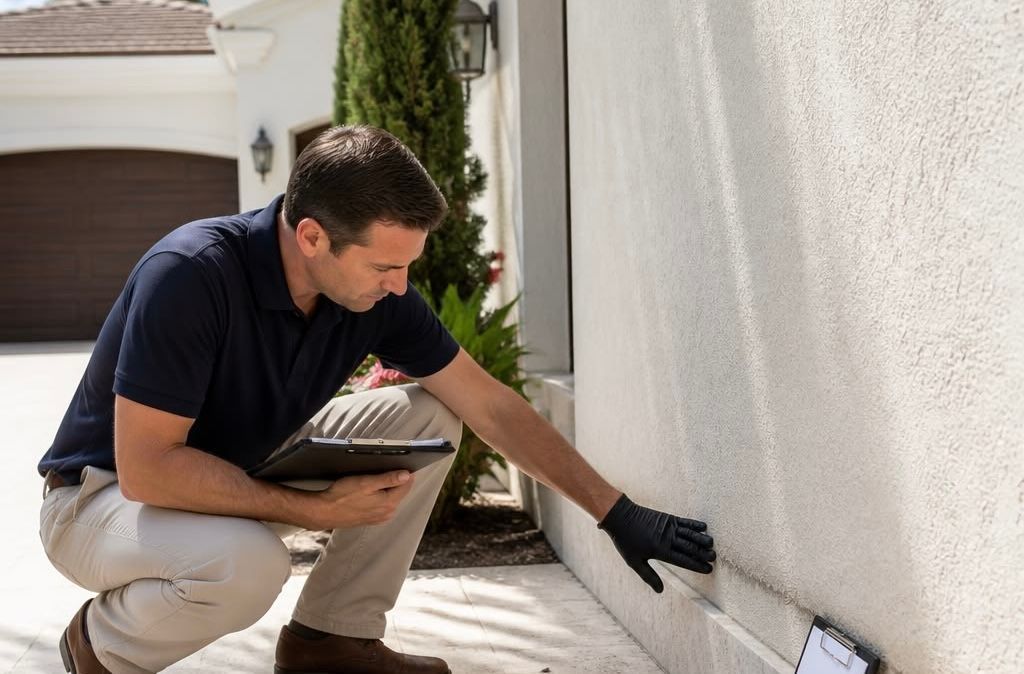
Property management is easy to underestimate because it does not feel as exciting as a view, a beach club or a rooftop terrace.
But for many second-home owners, it is the service that determines whether ownership feels easy. A good property manager becomes the local extension of the owner. They inspect the home, coordinate vendors, prepare the property before arrival, close it properly after departure, manage cleaning, handle minor emergencies, pay bills when authorized, monitor maintenance and communicate when something needs attention.
The service can be simple or extensive. At a basic level, property management may include periodic inspections, key holding, bill coordination and vendor access.
At a higher level, it may include arrival preparation, grocery stocking, housekeeping, maintenance reporting, rental guest coordination, concierge services, hurricane preparation, AC maintenance schedules, appliance checks and financial reporting.
A rental-oriented property needs a different level of management from a personal-use home. A private villa needs a different level of management from a condominium. A high-end residence with staff, pool, garden, outdoor kitchen, home automation and large terraces needs more oversight than a lock-and-leave condo.
The mistake is thinking property management is optional because the property is new or because the HOA appears strong.
The HOA protects the common structure. Property management protects the owner’s experience. The right manager reduces surprises. The wrong structure creates them.
Fideicomiso: What Foreign Buyers Should Know
For many foreign buyers purchasing residential property in Los Cabos, the fideicomiso is part of the ownership structure.
Los Cabos is located inside Mexico’s restricted zone, which includes land within 50 kilometers of the coast and 100 kilometers of the border. Foreign buyers can acquire residential use rights through a bank trust, commonly called a fideicomiso, when the property is located in that zone.
The fideicomiso should not be treated as mysterious. It is a common legal structure used by foreign buyers in coastal Mexico. But it does create costs and administrative obligations that should be understood before closing.
The Secretaría de Relaciones Exteriores explains that bank trustees request the permit for the constitution of fideicomisos in the restricted zone, allowing foreigners the use and enjoyment of real estate in that zone. The SRE also publishes official fees for these permits. As of the SRE page updated September 21, 2026, the federal fee for the permit to constitute a fideicomiso in the restricted zone is listed at $21,650 MXN, subject to changes in the applicable law. SRE fideicomiso permit costs.
That official permit cost is only one part of the picture.
A buyer should also ask about:
- bank trustee setup fees;
- annual trustee administration fees;
- notary coordination;
- permit timing;
- fideicomiso duration;
- beneficiary designation;
- succession instructions;
- modification costs if ownership details change;
- whether the property is better held personally or through another structure.
This is not legal advice. The buyer should review the structure with qualified legal, notarial and tax advisors.
But from a real-estate planning perspective, the point is clear: the fideicomiso is not just a closing detail. It is part of the long-term cost of owning the property.

Property Tax, Insurance and Utilities
Some of the most ordinary costs are the ones that should be reviewed most carefully. Property tax in Los Cabos, commonly referred to as predial, is paid through the municipality. The Los Cabos Treasury provides online tools to consult cadastral debt, make online payments and generate payment references. Tesorería Los Cabos predial portal.
The municipality may also announce early-payment discounts for a given year. For example, the Ayuntamiento de Los Cabos announced 2026 predial discounts of 20 percent during January and February and 10 percent during March. Los Cabos predial 2026 discounts.
A buyer should not use a past discount as a permanent assumption. The better rule is to verify the current year’s municipal program, obtain the property’s cadastral information and confirm whether taxes are paid, discounted or outstanding before closing.
Insurance is another key cost. A buyer should ask whether coverage includes hurricane, wind, flood, contents, liability, rental use, vacancy periods and common-area versus interior responsibility. A condominium owner may still need interior and contents coverage even if the building carries master insurance. A villa owner may need broader coverage because more of the structure and exterior systems are private.
Utilities can vary substantially. Electricity is especially important in Los Cabos because air conditioning can create meaningful seasonal cost differences. Water, gas, internet, pool equipment, irrigation, water softeners, filtration systems and security systems should also be included in the ownership budget.
The question is not whether a property has utilities. The question is what they cost when the home is used the way the buyer intends to use it.

Condo, Villa or Private Community: Why Ownership Costs Change
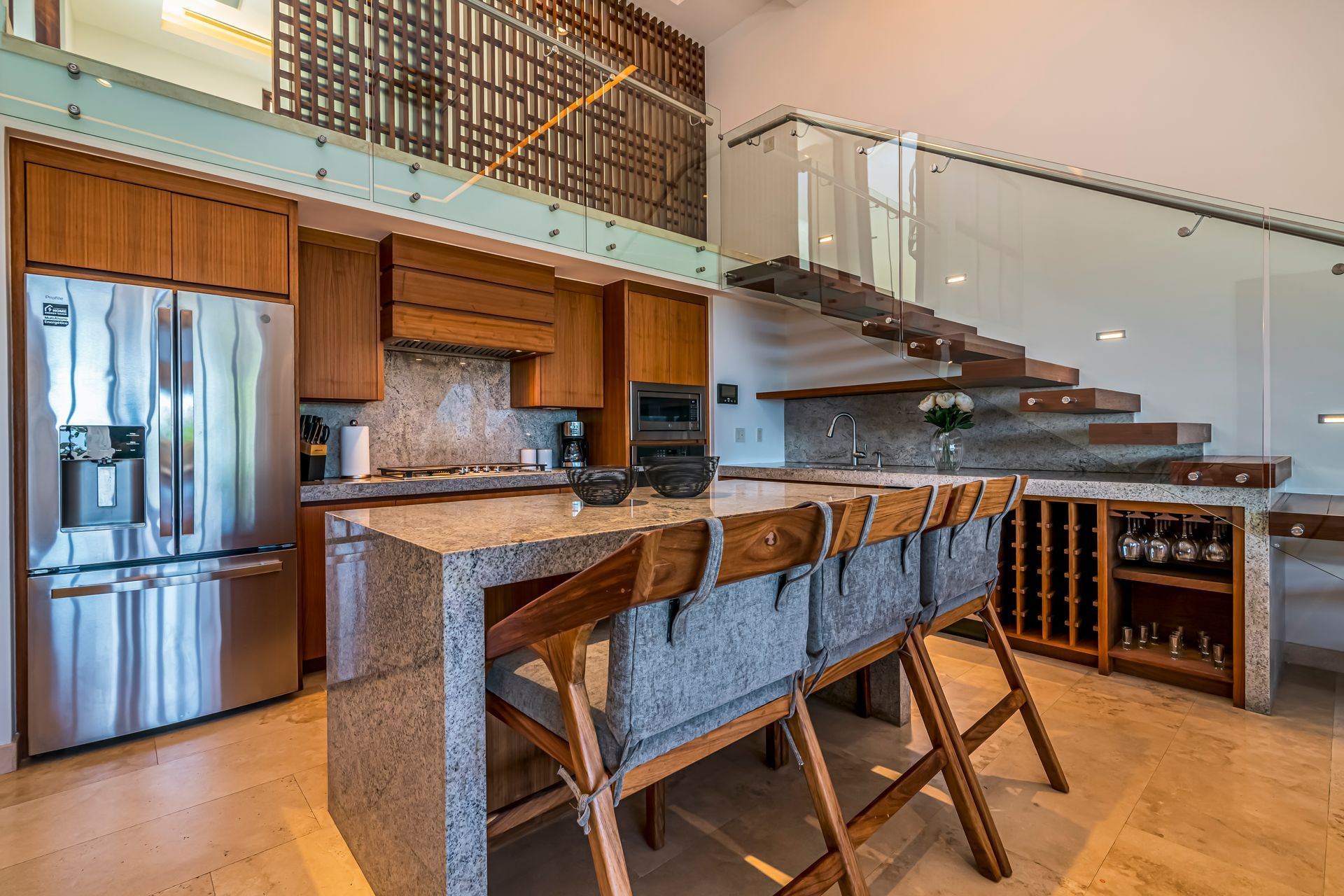
The type of property determines the cost structure. A condominium can be easier to own because the HOA often handles the building exterior, common areas, shared pools, landscaping, security, administration and maintenance of collective systems. But the owner pays for that convenience through monthly dues and has less direct control over association decisions.
A villa offers more privacy and control. It may also require a larger private operating budget. Landscaping, pool maintenance, exterior repairs, security, staff, AC service, pest control, water systems, generator service and storm preparation may fall more directly on the owner.
A private community can combine both models. The owner may pay a master association for roads, gates, security and common infrastructure while also paying private property costs, club dues and management. A golf or beach club may be central to the lifestyle but separate from the HOA.
A resort residence adds another layer. It may include residence management, concierge, housekeeping standards or hospitality services, but those services should be reviewed carefully. Some are included. Some are optional. Some are mandatory. Some are billed by usage.
The cheapest monthly cost is not always the best cost. The better question is which cost structure matches the way the buyer wants to live.
A buyer comparing a condo and a villa should not compare only the list price.
They should compare the full annual experience.
Palmilla Dunes as an Example of Structured Ownership
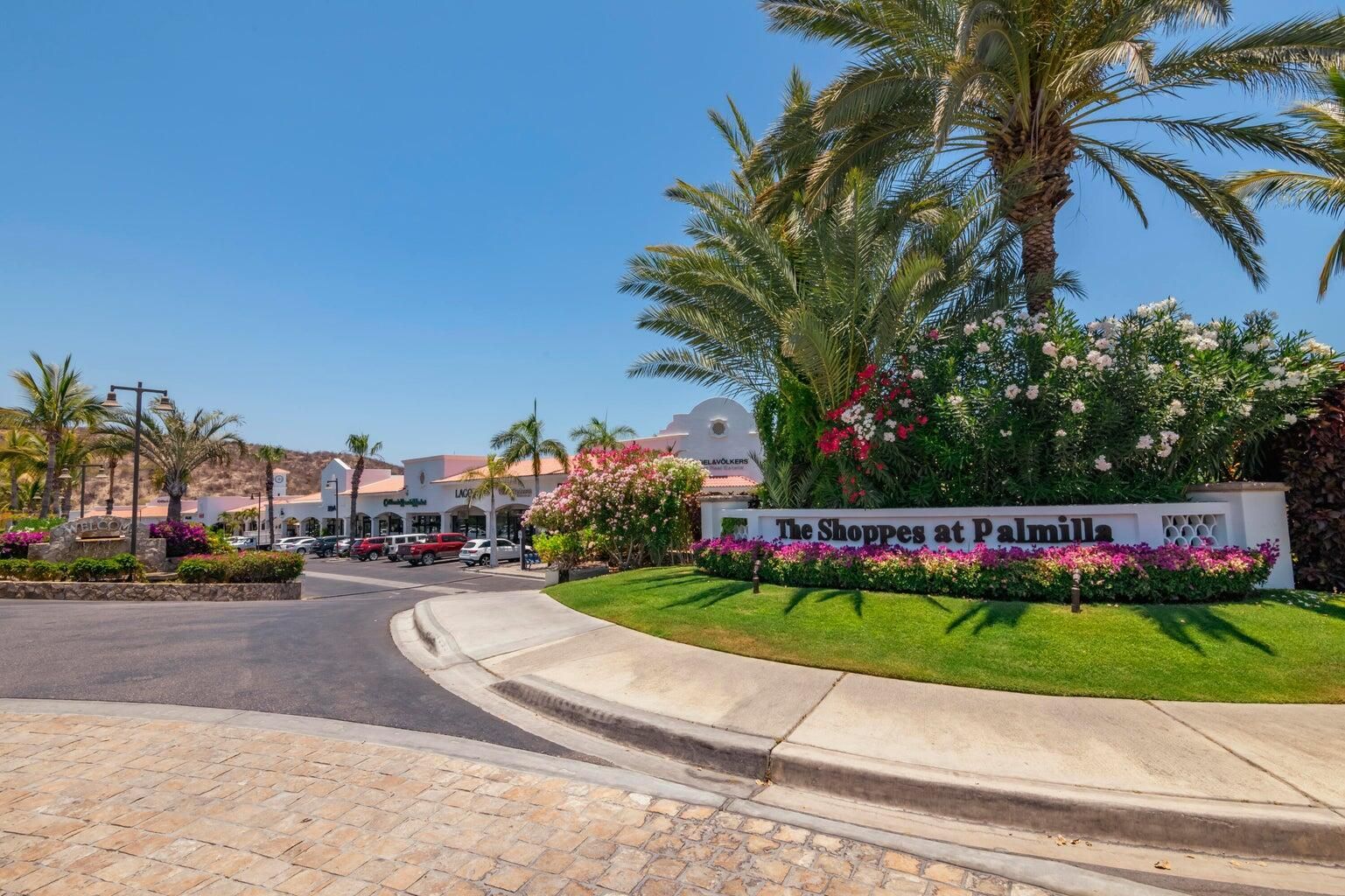
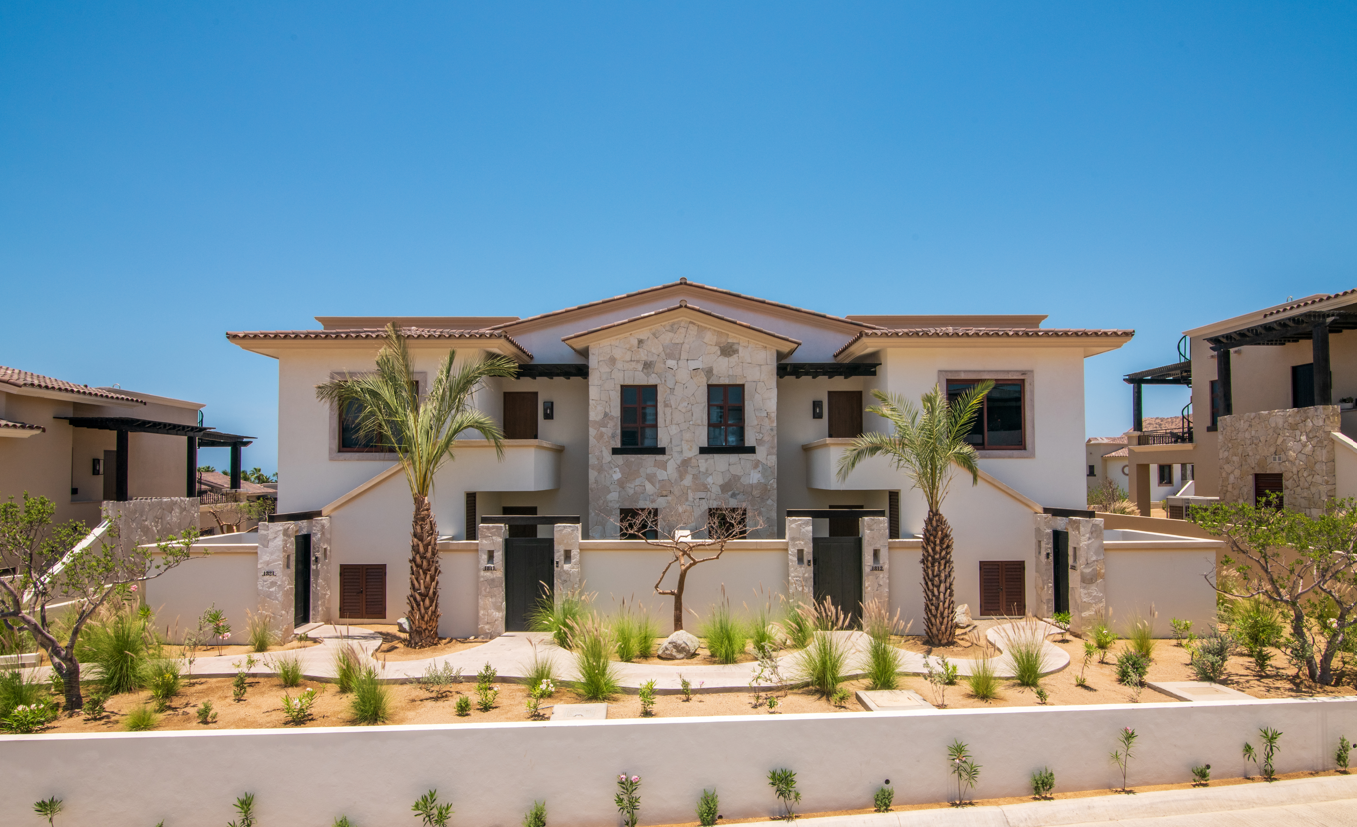
Palmilla Dunes is useful because it shows how a community can combine private ownership with shared lifestyle infrastructure.
Baja Investments describes Palmilla Dunes as a limited collection of two-, three- and four-bedroom residences in Palmilla, with shops, dining and lifestyle services nearby. The community page highlights Palmilla Dunes Plaza, the Clubhouse, semi-Olympic pool lanes, fitness, tennis, paddle, pickleball, spa and dining as part of the lifestyle environment. Palmilla Dunes by Baja Investments.
That kind of structure can make second-home ownership easier because many daily lifestyle needs are close to the property. It can also make the cost structure more layered.
A buyer is not only buying square footage. They are buying into a managed residential environment with amenities, association rules, club-related benefits and a lifestyle that depends on how the community is operated.
Current Baja Investments listings make that point clearly.
- Palmilla Dunes Penthouse 1521 is listed as a 3-bedroom, 3.5-bath penthouse with 2,916 square feet and two garages. The listing notes that it sits within Palmilla, near restaurants, plazas and a swimmable beach, and that a Platinum Membership to the Palmilla Dunes Club is available for transfer, with the buyer paying the fee.
- Palmilla Dunes Penthouse 321 is another example. The listing describes a turnkey penthouse with ocean view, rooftop jacuzzi, amenities nearby and a Platinum Membership for Palmilla Dunes Club. It also references golf membership availability for a fee.
- Palmilla Dunes Penthouse 1921 shows the same kind of buyer question: the property is not only a residence. It is tied to a community, a club environment, nearby restaurants, plazas and a lifestyle that needs to be understood as an operating model.
This is exactly why buyers should review more than price. If a club membership is transferable, what is the transfer fee? If golf membership is available for a fee, what does it include? Are there annual dues? Is there approval? Which amenities are included in the HOA and which are connected to separate memberships? What does property management cost if the owner is absent? Can the property be rented, and if so, what rules apply?
Palmilla Dunes can offer convenience, lifestyle and a more structured second-home experience. But the buyer should still ask the same question that applies everywhere in Los Cabos: What exactly is included, what is optional and what is paid separately?
What a Real Ownership Budget Should Include
A serious buyer should build a simple annual ownership budget before making an offer. That budget does not have to be perfect. It should be honest. At minimum, it should include:
The goal is not to make the property feel more expensive. The goal is to make ownership predictable. A buyer who understands the annual cost can enjoy the home with less anxiety. A buyer who ignores it may feel surprised by expenses that were always visible to someone who knew where to look.
Rental Income Should Not Be Used to Hide Ownership Costs
Many second-home buyers consider renting the property when they are not using it. That can be a reasonable strategy, but it should be modeled carefully.
Rental income is not the same as net income. Gross revenue may be reduced by management commissions, platform fees, cleaning, linen replacement, guest supplies, utilities, maintenance, insurance, taxes, repairs, wear and tear, marketing and vacancy.
A property that rents well may still have meaningful carrying costs.
The better way to evaluate rental potential is to ask:
- Is short-term rental allowed by the HOA or community?
- Are guests allowed to use amenities?
- Are there occupancy limits?
- Are there quiet hours or event restrictions?
- Who handles guest issues?
- How are damages documented?
- What taxes and reporting apply?
- How does rental use affect insurance?
- How much personal use does the owner want to preserve?
Rental income can support ownership. It should not replace due diligence. A buyer should be comfortable with the property before assuming rental income solves the budget.
The Hidden Cost of Choosing the Wrong Property Type
The largest ownership mistake is not always overpaying. Sometimes it is choosing the wrong operating model.
A buyer who wants simplicity may fall in love with a private villa and then realize the staffing, maintenance and management are more than they wanted. A buyer who wants total control may choose a condominium and later feel constrained by HOA rules. A buyer who wants club life may purchase near a club without securing the membership they expected. A buyer who wants rental income may choose a community with restrictions that limit guest use.
These are not bad properties. They are mismatched ownership structures. That is why Baja Investments should begin the conversation with use, not inventory. Will the buyer come three times a year or spend six months in Cabo? Will adult children use the property? Will the home be rented? Is privacy more important than service? Is a club central to the lifestyle? Does the buyer want a turnkey condo or a villa that can be customized? How comfortable is the buyer with staff and vendor coordination?
The property should match the life. The budget should match the property.
Questions to Ask Before Buying a Second Home in Los Cabos
Before buying, ask the questions that reveal the real cost of ownership.
HOA and community
- What is the monthly or quarterly HOA fee?
- What does it include?
- What does it exclude?
- Are there master association fees?
- Are reserves funded?
- Are there pending special assessments?
- Are there rental rules?
- Are pets, guests or events restricted?
Property management
- Who manages the property when I am away?
- How often is the home inspected?
- Who pays bills?
- Who handles emergencies?
- What is included in the management fee?
- What services are billed separately?
- Is rental management included or separate?
Legal and ownership structure
- Will the property be held through a fideicomiso?
- What bank will act as trustee?
- What are setup and annual trustee costs?
- Who are the beneficiaries?
- What happens if ownership changes?
- What documents must be updated if the buyer refinances, sells or transfers interests?
Insurance and taxes
- What is the current predial?
- Is it paid up to date?
- What insurance coverage exists?
- Is hurricane, flood or wind covered?
- Is rental use covered?
- What deductible applies?
Lifestyle and access
- Is club membership included or separate?
- Is transfer possible?
- Is approval required?
- Can renters or guests use amenities?
- Are golf, beach club, spa or fitness access included?
- Which amenities are operating today?
- Which amenities are future promises?
The strongest purchase decisions are rarely the fastest.
They are the ones where the buyer understands what they are buying and what they will need to operate.
Final Thoughts
The real cost of owning a second home in Los Cabos is not hidden. It is just often ignored until after the buyer falls in love with the property.
A better process brings the cost structure forward. HOA, property management, fideicomiso, insurance, utilities, maintenance, club access, rental rules and community operations should be part of the conversation before the offer, not after closing.
This does not make buying in Los Cabos less attractive. It makes it more responsible. A well-chosen second home should not feel like a beautiful obligation. It should feel like a place that can be used, protected, maintained and enjoyed with clarity.
That clarity is especially important in communities like Palmilla Dunes, where lifestyle, amenities, club access and property type all work together. A residence may be turnkey. A club membership may be transferable. A beach may be a golf-cart ride away. Restaurants may be nearby. Those details create value, but only when the buyer understands the operating structure behind them.
The best second home is not always the one with the lowest carrying cost. It is the one whose costs make sense for the way the owner intends to live.
Let's Find the Right Community for You
Whether you're looking for an established neighborhood, a club-centered lifestyle, or a resort experience, we'll help you narrow down the options before you start touring homes.
Frequently Asked Questions
What are the main costs of owning a second home in Los Cabos?
The main costs usually include HOA or condominium fees, property management, fideicomiso fees for many foreign buyers, property tax, insurance, utilities, maintenance, cleaning, landscaping, pool service, club dues, rental management and reserves for repairs or special assessments. The exact mix depends on the property type.
What does an HOA usually include in Los Cabos?
An HOA may include security, common-area maintenance, landscaping, pool maintenance, administration, building insurance, elevators, gym, shared amenities and reserve contributions. It may not include private interior insurance, utilities, personal property management, club dues, maid service, private repairs or rental management.
Is a condo cheaper to own than a villa?
Not always. A condo may have a higher monthly HOA but fewer private responsibilities. A villa may offer more privacy and control but require private landscaping, pool service, repairs, staff, property management and higher utility usage. The better comparison is annual operating cost, not only monthly HOA.
What is a fideicomiso?
A fideicomiso is a bank trust commonly used by foreign buyers to acquire residential property rights in Mexico’s restricted zone, which includes coastal areas like Los Cabos. It involves government permits, bank trustee administration and annual fees. Buyers should review the structure with qualified advisors.
How much does the SRE fideicomiso permit cost?
The SRE publishes official permit costs. As of the SRE page updated September 21, 2026, the fee for the permit to constitute a fideicomiso in the restricted zone is listed at $21,650 MXN. This is separate from bank trustee fees, notary costs and other closing expenses.
Is property management necessary for a second home?
For most non-resident owners, yes. A property manager helps inspect the home, coordinate repairs, prepare for owner arrivals, manage vendors, handle emergencies, monitor utilities and protect the property when the owner is away. The level of service depends on the property and use.
What is the difference between property management and rental management?
Property management protects and operates the home for the owner. Rental management handles marketing, bookings, guests, cleaning, check-in, damage control and income reporting. Some companies offer both, but they are not the same service and may be billed separately.
Does Palmilla Dunes include club amenities?
Palmilla Dunes offers a structured residential lifestyle with club and amenity access, but buyers should verify the exact membership, transfer fee, dues and access attached to each property. Current Baja Investments listings reference Platinum Membership availability or inclusion in specific cases, which should be reviewed during due diligence.
Are property taxes expensive in Los Cabos?
Property taxes in Mexico are often relatively modest compared with some U.S. or Canadian markets, but the amount depends on the property and cadastral value. Buyers should verify the current predial amount, payment history and any municipal discounts directly with the Los Cabos Treasury or closing team.
Should rental income be included in the ownership budget?
Rental income can be modeled, but it should not be used to ignore carrying costs. Buyers should evaluate net income after commissions, platform fees, cleaning, utilities, maintenance, taxes, insurance and vacancy. HOA and community rental rules must also be reviewed.
What should buyers ask before choosing between a condo and a villa?
Buyers should ask how often they will use the property, whether they want rental income, how much privacy they need, whether they want staff, how much maintenance they want to manage and whether they prefer HOA-supported simplicity or private-home control.
Can Baja Investments help estimate ownership costs?
Yes. Baja Investments can help buyers build a property-specific ownership profile by reviewing HOA fees, management needs, fideicomiso structure, utility expectations, insurance, rental rules, club access and the differences between condos, villas and private communities.
RELATED POSTS