Community Design in Los Cabos 2026:
How Planned Living Environments Drive Long-Term Real Estate Performance
By 2026, community design has become one of the most decisive factors in real estate performance across Los Cabos. As the market transitions into a mature phase, value is no longer driven solely by location or property features, but by how entire residential environments are conceived, structured, and managed over time.
Buyers and investors increasingly understand that real estate performance is shaped by daily experience. From circulation and density to governance and shared spaces, community design directly influences livability, demand consistency, and asset durability. From a Baja Investment perspective, well-designed communities represent a structural advantage rather than a lifestyle add-on.
Community Design as a Structural Value Driver
Community design extends well beyond visual coherence or architectural style. In Los Cabos, high-performing residential environments are those that integrate functionality, clarity, and long-term usability into their planning.
Elements such as internal circulation, access points, pedestrian flow, and zoning hierarchy influence how residents interact with their surroundings. Communities that minimize friction—traffic congestion, noise, overcrowding—create a more balanced daily experience, which directly translates into sustained demand.
In a market where buyers are increasingly permanent or semi-permanent residents, functionality has become a primary value driver. Communities designed for real living consistently outperform those built around short-term appeal.
The Role of Governance and Long-Term Management
Governance plays a central role in protecting the integrity of a community over time. Clear regulations, professional administration, and transparent financial structures ensure that common areas, infrastructure, and shared services are maintained consistently.
In Los Cabos, well-governed communities demonstrate stronger resale performance because buyers value predictability. Knowing that maintenance standards, usage rules, and long-term planning are clearly defined reduces perceived risk and enhances confidence.
Poor governance, by contrast, often leads to deferred maintenance, conflicts between residents, and gradual erosion of value. From an investment standpoint, governance quality is as important as physical design.
Shared Spaces and Their Impact on Daily Experience
Shared spaces are not simply amenities; they are integral components of community function. Parks, walking paths, social areas, and wellness spaces influence how residents experience daily life and interact with one another.
In Los Cabos, communities that balance shared experiences with privacy tend to foster stronger engagement without overwhelming residents. Thoughtful placement and scale of shared spaces allow for social interaction while preserving tranquility.
Well-designed shared environments support long-term residency by encouraging routine use rather than occasional novelty. This reinforces both lifestyle satisfaction and sustained demand.
Density, Privacy, and Community Balance
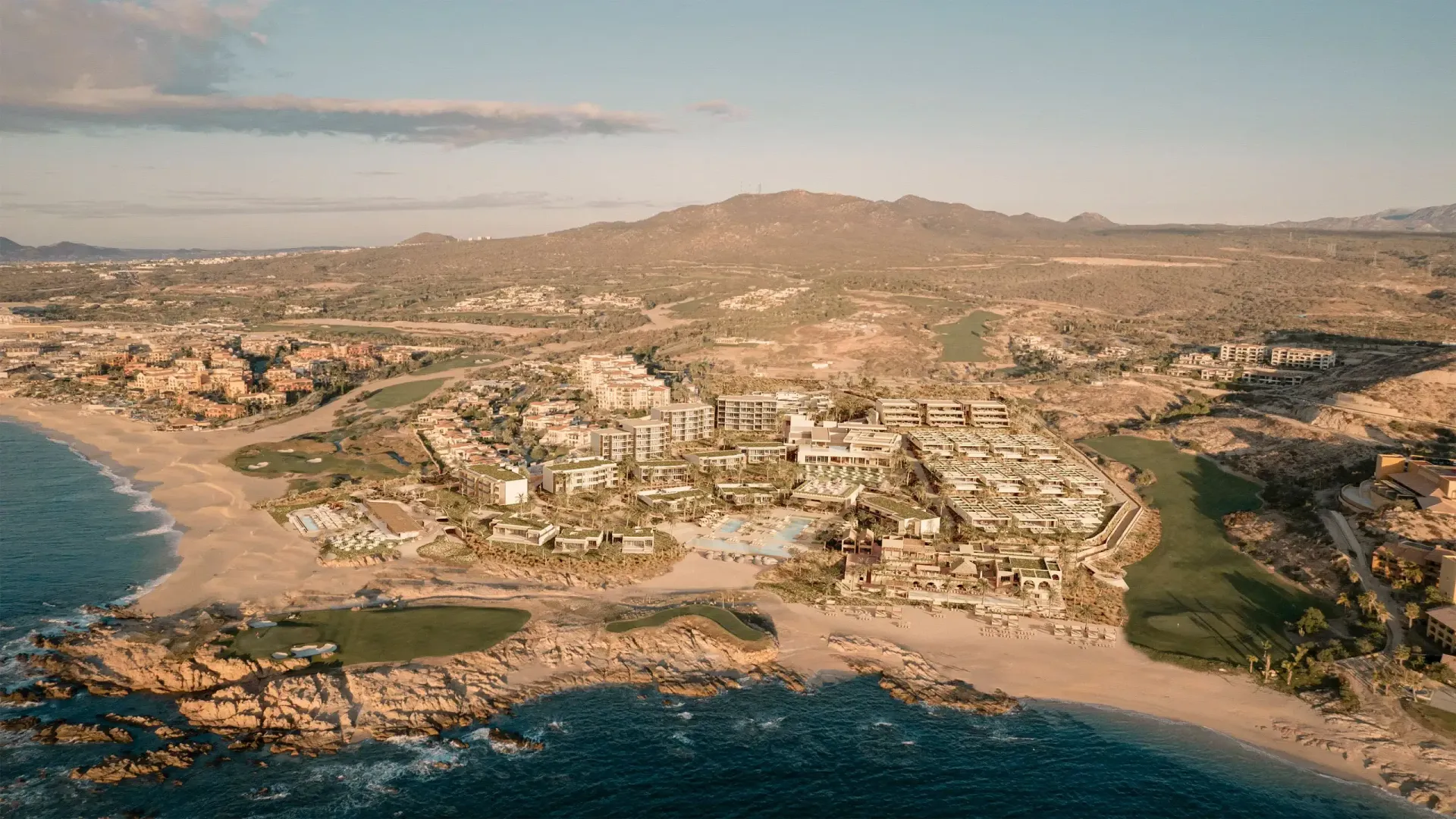
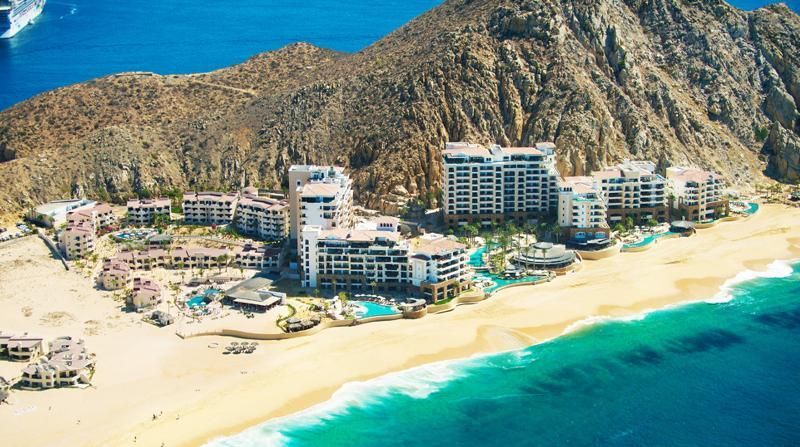
Density management has become increasingly important as Los Cabos grows. Communities that carefully balance unit count with open space, setbacks, and visual separation offer a higher quality of life.
Buyers are increasingly sensitive to overcrowding, noise, and lack of privacy. Developments that address these concerns through design—rather than operational fixes—demonstrate greater long-term appeal.
From a Baja Investment perspective, density discipline supports value retention by maintaining desirability even as surrounding areas develop.
Community Design and Buyer Decision-Making
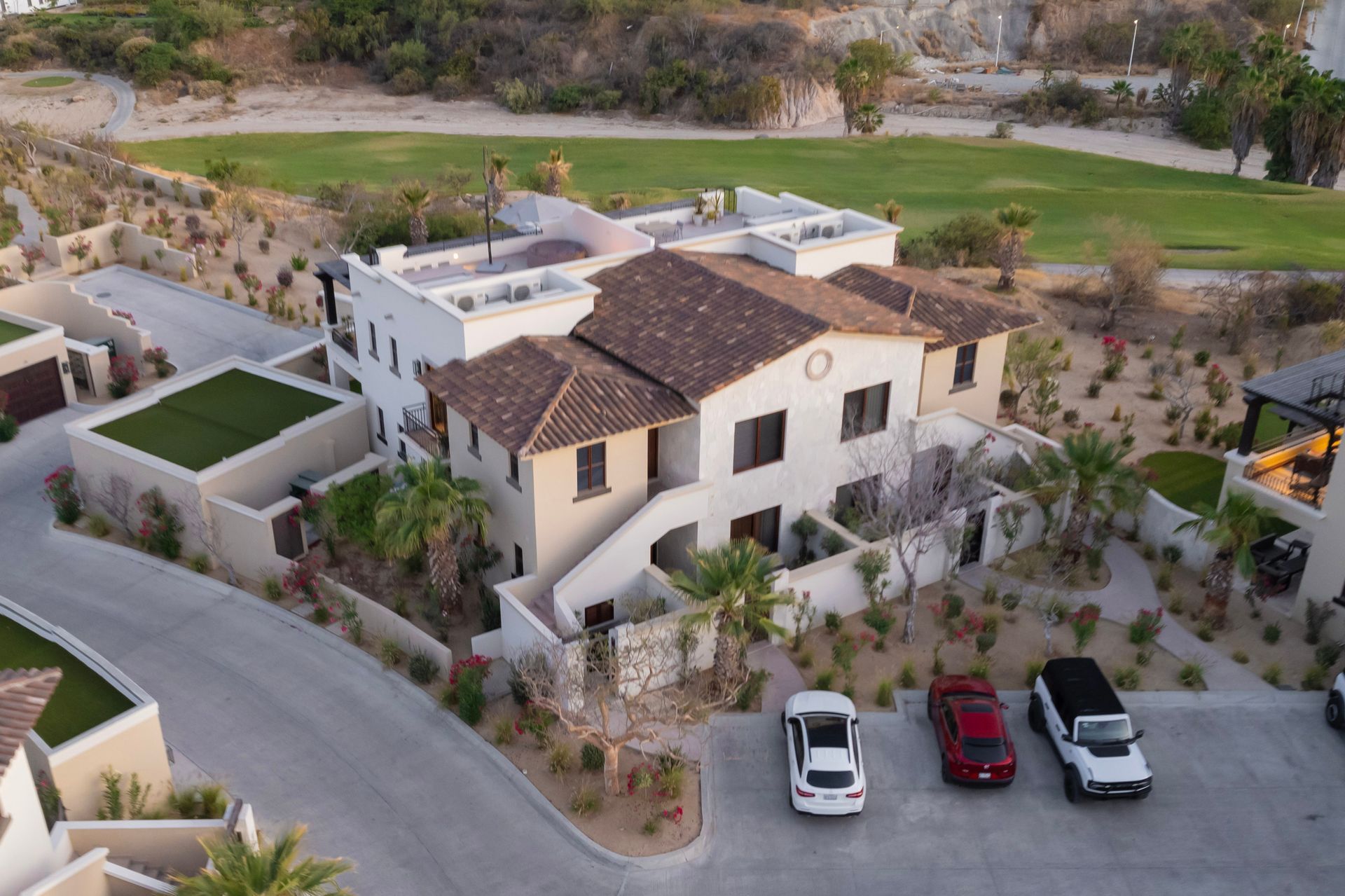
Modern buyers evaluate properties within the broader context of their community. Factors such as traffic flow, parking management, pedestrian safety, and access to services influence purchasing decisions as much as interior finishes.
As buyer sophistication increases, communities designed with clear intent tend to retain relevance longer. These environments adapt more easily to evolving lifestyles and demographic shifts, reinforcing their market position over time.
Impact on Pricing and Value Retention
Community design directly affects pricing behavior. Well-planned and well-managed communities support gradual appreciation rooted in usability and demand consistency rather than speculative pressure.
During periods of broader market adjustment, these communities demonstrate greater resilience. Properties maintain liquidity because buyers continue to prioritize stable environments that support daily living.
Poorly planned communities, on the other hand, are more exposed to volatility as buyer confidence weakens.
Long-Term Implications for Developers and Investors
For developers, community design represents a long-term commitment rather than a marketing feature. Projects that prioritize livability, governance, and functional planning are better positioned to succeed in a consolidated market.
For investors, community quality acts as a risk filter. Assets located within well-designed environments tend to deliver more predictable outcomes across extended holding periods.
From a Baja Investment perspective, community design should be evaluated as a core component of investment analysis.
Why Community Design Matters More in 2026
As Los Cabos continues to evolve, buyers are no longer evaluating individual properties in isolation. Entire living environments are assessed based on how well they support daily routines, long-term comfort, and social balance.
This shift elevates community design from a secondary consideration to a defining market variable.

In 2026, community design stands at the center of long-term real estate performance in Los Cabos. Well-planned, well-governed communities support stability, livability, and sustained value over time.
From a Baja Investment perspective, community design is not an aesthetic choice—it is a strategic
foundation that shapes real estate outcomes for years to come.